How to Strengthen and Repair Your Home’s Roof
A strong and well maintained roof is essential to protecting your home, preserving its value, and ensuring long term comfort. It serves as the first line of defense against rain, wind, heat, and cold, shielding both the structure and the people inside. Over time, constant exposure to the elements, aging materials, and even minor neglect can gradually weaken roofing systems. What may begin as a small issue, such as a loose shingle or a minor leak, can eventually lead to significant problems including water damage, energy loss, mold growth, and structural concerns that affect the entire home.
Strengthening and repairing your roof is not only about fixing visible damage when it appears. It is a proactive process that involves regular planning, thorough inspections, preventative maintenance, and thoughtful upgrades designed to extend the life of the roof. Understanding how roofing components work together, recognizing early warning signs, and knowing when professional assistance is necessary all play an important role in maintaining a safe and durable roofing system.
This guide takes an instructional and informational approach to roof care, helping homeowners recognize problems early, improve durability, and make informed repair decisions. Rather than focusing solely on emergency fixes, it emphasizes long term strategies that support performance, efficiency, and reliability. Each section focuses on a specific aspect of roof strengthening and repair so you can approach maintenance with confidence, clarity, and a better understanding of how to protect one of your home’s most important assets.
Assessing Roof Conditions
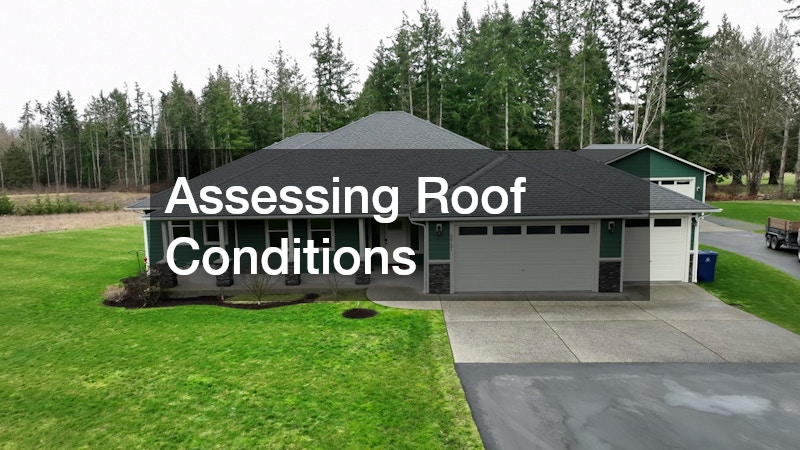
A thorough roof assessment is the foundation of any effective repair or strengthening plan. Working with local roofing contractors allows homeowners to gain insight from professionals who understand regional weather patterns, common roofing materials, and local building codes. These experts know how seasonal changes, humidity levels, and storm frequency affect roofs in your area, which helps them identify problems that may not be obvious to an untrained eye. Their familiarity with local construction standards also ensures that any recommendations align with safety regulations and long term performance expectations.
During an inspection, professionals typically evaluate shingles or panels, flashing, underlayment, and structural components such as decking and trusses. They assess the condition of materials for signs of wear, brittleness, or improper installation. Inspectors also look for signs of moisture intrusion, sagging areas, and ventilation problems that could shorten the lifespan of the roof. Even small issues like cracked seals, lifted shingles, or loose fasteners can indicate larger concerns developing beneath the surface, including hidden water damage or weakened structural support.
Regular inspections, especially after severe weather, help identify weaknesses early before they turn into major repairs. High winds, heavy rain, snow, and extreme temperatures can all accelerate deterioration, making post storm evaluations particularly important. Addressing problems at this stage often prevents costly damage later and reduces the risk of interior issues such as insulation damage or mold growth. Homeowners should also request written reports and photographs from each inspection, as these records make it easier to understand recommended actions, track changes over time, and prioritize repairs based on urgency and budget.
Understanding Structural Needs
Although residential roofs differ from large scale buildings, the expertise of commercial roofing professionals provides valuable insight into structural reinforcement and long term durability. These specialists are trained to evaluate roofing systems with a focus on strength, performance, and resilience under constant use and exposure. Their work often involves managing large surface areas, heavier materials, and more demanding environmental conditions, which requires a detailed understanding of load distribution, drainage efficiency, and material performance over extended periods.
Homeowners can benefit from this approach by learning how weight from snow accumulation, rooftop equipment, or added features affects overall roof integrity. Even elements such as solar panels, satellite systems, or upgraded insulation can increase stress on certain areas. Structural reinforcement may involve adding or strengthening support beams, improving fastening systems, or upgrading materials to handle greater pressure and movement. Flat or low slope sections of a home, such as porches, garages, or room additions, often require special attention similar to commercial designs because water drainage and weight distribution are more challenging in these areas.
By applying proven structural concepts, homeowners can strengthen vulnerable areas and reduce the risk of sagging, leaks, or long term structural fatigue. Understanding how forces move across the roof also helps in identifying weak points that may not be visible from the surface. This knowledge is especially useful when planning future upgrades, as it ensures the roof can safely support changes without compromising stability, performance, or occupant safety.
Planning Preventive Maintenance
Preventive maintenance is one of the most effective ways to extend the life of a roof. Scheduling routine roofing services helps homeowners stay ahead of wear and tear, addressing small issues before they escalate into major repairs.
Maintenance tasks often include clearing debris, checking seals, resecuring flashing, and inspecting drainage systems. Gutters and downspouts play a key role in directing water away from the roof and foundation, so keeping them clear is essential. Professionals may also apply protective coatings or treatments that enhance resistance to moisture and ultraviolet exposure.
A maintenance plan should be tailored to your roof type, climate, and age. Older roofs may require more frequent inspections, while newer installations still benefit from regular checkups. Consistent care not only improves performance but also provides documentation that may be useful for warranties or insurance claims.
Selecting Durable Materials

Material choice plays a major role in roof strength and longevity. When planning repairs or upgrades, understanding options for residential roofing helps homeowners select solutions that match their climate, budget, and aesthetic preferences.
Asphalt shingles remain popular for their affordability and ease of installation, while metal roofing offers durability and resistance to extreme weather. Tile and slate provide long lifespans and distinctive appearance but require strong structural support. Synthetic materials combine durability with lighter weight and lower maintenance needs.
Choosing high quality materials enhances resistance to wind, moisture, and temperature fluctuations. Proper installation is equally important, as even the best materials can fail if installed incorrectly. A well chosen material system contributes significantly to long term roof performance.
Strengthening Weak Areas
Targeted reinforcement is often the key to extending roof life and improving overall performance. Skilled local roofers can identify specific weak points that are most vulnerable to wear, weather exposure, and structural stress. These professionals understand how roofs age in your area and can apply focused solutions that address problems at their source rather than relying on temporary fixes. Common vulnerable areas include valleys where water channels collect, roof edges exposed to wind uplift, flashing points, and sections around chimneys, vents, or skylights where materials intersect.
Reinforcement methods may involve installing additional underlayment to improve moisture protection, upgrading fasteners to more durable options, or replacing damaged decking that has weakened due to prolonged exposure to moisture. Proper sealing and flashing installation are especially important, as these components prevent water intrusion at joints and transitions where leaks often begin. In some cases, roofers may recommend reinforcing the roof edge system or adding protective barriers that improve resistance to wind and heavy rain.
Roofers may also suggest improvements to ventilation to reduce heat and moisture buildup in the attic or roof cavity. Excess heat can cause materials to deteriorate faster, while trapped moisture can lead to mold, rot, and insulation damage. By addressing ventilation alongside structural reinforcement, homeowners can create a more balanced and durable roofing system.
Working with experienced professionals ensures repairs are completed correctly and in compliance with local standards and building codes. Their familiarity with nearby homes, common construction methods, and regional weather challenges leads to practical and reliable solutions that support long term roof strength and reduce the likelihood of future issues.
Addressing Damage Promptly
Timely action is essential when damage occurs. Relying on roof repair services allows homeowners to address issues such as leaks, missing shingles, or storm damage before they spread.
Water intrusion is one of the most destructive forces affecting roofs. Even a small leak can lead to rot, mold, and insulation damage if left untreated. Repair specialists locate the source of the problem, replace damaged materials, and restore protective barriers.
Prompt repairs also help maintain indoor comfort and prevent energy loss. By addressing damage quickly, homeowners reduce the likelihood of more extensive structural problems and preserve the overall integrity of the roofing system.
Evaluating Roof Capacity
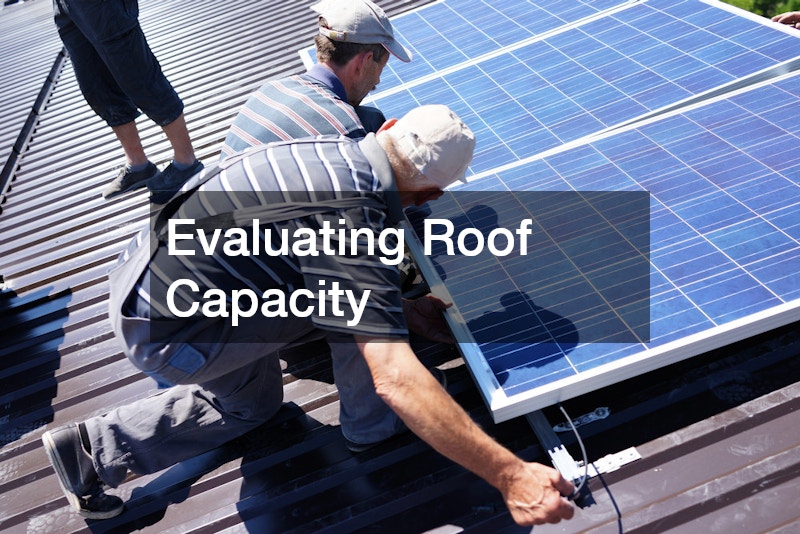
Some homeowners explore additional uses for their property, including the possibility of a rooftop cell tower lease. While this can offer financial benefits, it requires careful evaluation of roof strength and structural capacity.
Adding equipment to a roof increases weight and may introduce vibration or wind load concerns. Before pursuing such an arrangement, a detailed structural assessment is necessary to determine whether reinforcements are required. Engineers may recommend upgrades to support beams, anchoring systems, or decking materials.
Even if you don’t install a tower, it’s a good idea to look into the load limits of your roof to help you make informed decisions about other possible add-ons. Whether you want to install solar panels, satellite systems, or a rooftop deck, your roof capacity is invaluable information to have. Strengthening the roof to handle added demands ensures safety and prevents long term damage.
Improving Energy Efficiency Through Home Heating Integration
A strong roof also supports efficient indoor climate control. Proper insulation and ventilation directly affect home heating performance, reducing energy consumption and improving comfort.
Heat loss through the roof is common in poorly insulated homes. Upgrading insulation materials, sealing air leaks, and ensuring adequate attic ventilation help maintain consistent indoor temperatures. These improvements reduce strain on heating systems and lower utility costs.
Roof color and material reflectivity can also influence temperature regulation. Lighter surfaces reflect more sunlight, while darker materials absorb heat. Integrating roofing decisions with overall energy planning results in a more efficient and comfortable home.
Knowing When to Replace Your Roof
There comes a point when repairs are no longer sufficient to ensure safety and performance. Recognizing when to invest in a roof replacement service is critical for protecting your home and avoiding repeated patchwork fixes.
Signs that replacement may be necessary include widespread shingle deterioration, recurring leaks in multiple areas, and visible sagging. Age is also a major factor, as most roofing materials have a defined lifespan. Replacing a roof allows homeowners to upgrade to modern materials with improved durability, insulation, and energy efficiency.
While replacement is a significant investment, it often proves more cost effective over time compared to ongoing repairs. A new roof provides peace of mind, enhances curb appeal, and can increase property value.
Managing Large Scale Issues
Homes with complex designs, flat sections, or attached structures may face challenges similar to larger buildings. Homeowners may need to consider commercial roof repair services, to help address widesdpread or recurring issues.
Large scale repairs often involve drainage redesign, membrane replacement, or structural reinforcement across multiple sections. Attention to slope, water flow, and material compatibility is essential. Applying systematic repair methods ensures consistent protection and minimizes future maintenance needs.
By understanding these broader repair strategies, homeowners can better manage complex roofing systems and ensure long term durability. A comprehensive approach that considers the entire structure leads to more reliable results.
Creating a Strategy for Long Term Roof Care
Strengthening and repairing your home’s roof is an ongoing process that combines inspection, maintenance, timely repairs, and informed upgrades. By understanding structural needs, selecting durable materials, and addressing issues promptly, homeowners can protect their investment and enhance daily comfort.
A proactive approach reduces unexpected expenses and extends roof lifespan. Whether planning small repairs or major improvements, informed decisions and professional guidance make all the difference. With consistent care and attention, your roof can remain a strong and reliable shield for your home for many years to come.
Maintaining a strong and reliable roof is an essential part of responsible homeownership. By taking a proactive approach to inspections, maintenance, and timely repairs, you can prevent small issues from developing into costly structural problems. Understanding how weather, materials, and aging affect your roof allows you to make smarter decisions that support long term durability and safety.
Strengthening and repairing your roof is not a one time task but an ongoing commitment to protecting your home and everyone inside it. With the right knowledge, quality materials, and professional support when needed, your roof can continue to perform efficiently and withstand daily wear and environmental stress. Investing in proper care today helps ensure lasting protection, improved comfort, and greater peace of mind for years to come.