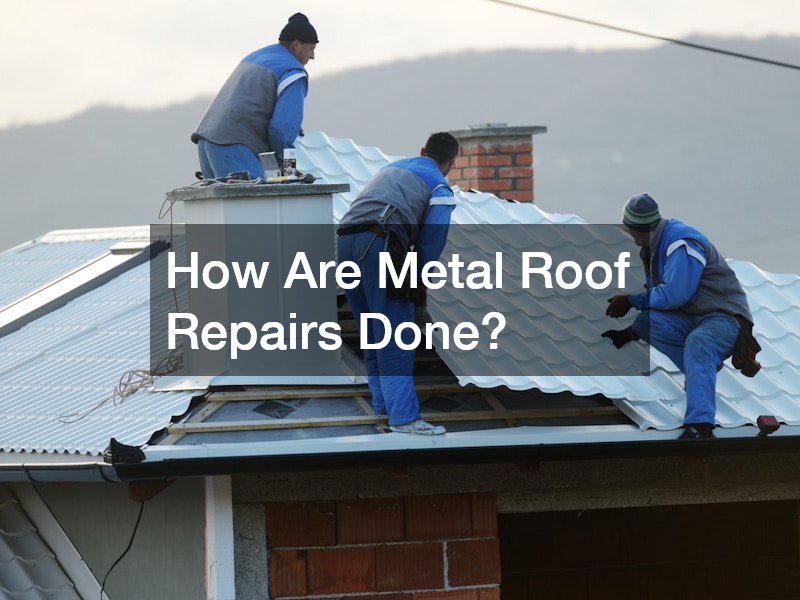
Metal roofs have gained immense popularity due to their durability, energy efficiency, and aesthetic appeal. However, like any other roofing material, they are not immune to damage. Weather conditions, aging, and other external factors can lead to the need for repairs. Understanding how metal roof repairs are conducted can help homeowners make informed decisions about the maintenance of their roofs. This article will delve into the processes involved in metal roof repairs, providing insights into common issues, repair techniques, and the importance of regular maintenance.
Identifying the Problem
The first step in any metal roof repair is identifying the problem. Common issues include rust, leaks, damaged seams, and loose fasteners. A thorough inspection should be conducted, ideally from the ground using binoculars to spot any visible damages, and later from the roof if safe access can be achieved. Inspectors should also check for corroded areas, especially around flashing and penetrations like vents or chimneys. It’s essential to address these issues promptly to prevent further damage and costly repairs down the line. Identifying the problem correctly ensures that the right repair solutions can be applied effectively.
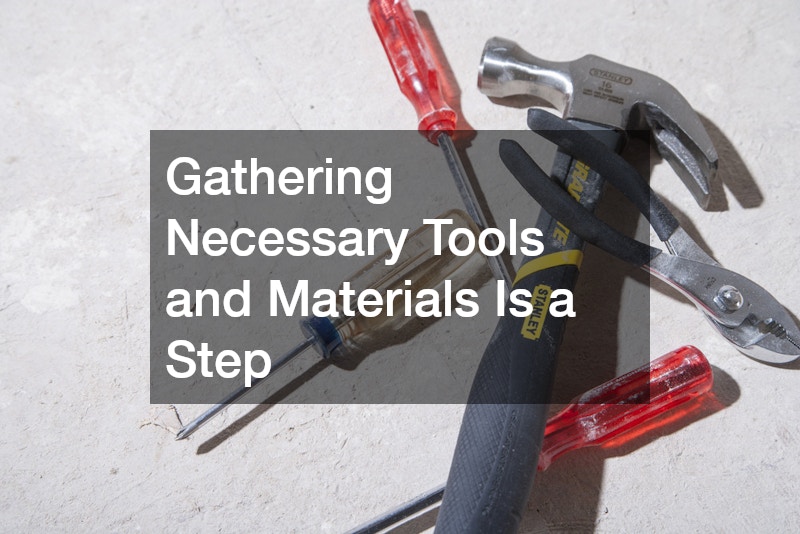
Gathering Necessary Tools and Materials
Once the problem is identified, the next step in metal roof repairs involves gathering the necessary tools and materials. Basic tools typically include a ladder for safe access, safety harnesses, metal snips, a drill, screws, sealant, and replacement panels if needed. The type of metal roofing material also dictates the specific components required for the repair. For instance, aluminum roofs may require different types of screws compared to steel roofs due to galvanic corrosion issues. Ensuring you have the right materials not only facilitates a smoother repair process but also enhances the longevity and effectiveness of the repairs being made.
Performing the Repair
The actual repair process varies significantly depending on the type of damage encountered. For minor leaks, a specialized roofing sealant is often sufficient for a quick fix. This involves cleaning the area around the leak, applying the sealant, and allowing it to cure. In cases of rust, the affected area must be sanded down to remove the corrosion, treated with a rust inhibitor, and then repainted. When dealing with larger-scale issues, like replacing a whole panel, it may require detaching the affected panel from the structure and securing a new panel in its place. For structural integrity, it is advisable to engage a qualified roofing contractor who can ensure the repairs are up to code and will last.
Post-Repair Inspection and Maintenance
After repairs have been made, a post-repair inspection is critical to ensure everything has been fixed correctly. This involves checking the repaired areas for any signs of leftover issues, such as leaks or exposed fasteners. Homeowners are encouraged to conduct periodic inspections, particularly after severe weather events that might cause additional damage. Longevity of repairs depends significantly on regular maintenance and timely interventions. Cleaning the roof of debris and ensuring gutters are unclogged aids in preventing accumulation of water, which could lead to future damages.
The Importance of Professional Help
While some metal roof repairs can be performed as DIY projects, there are significant benefits to hiring a professional roofing contractor. Professionals possess the expertise, experience, and tools necessary to perform thorough inspections and repairs that homeowners might overlook. Additionally, they often have access to high-quality materials and industry-specific knowledge that can lead to more effective and durable repairs. Hiring a qualified contractor also ensures that the work complies with local building codes and safety regulations. Investing in professional help for metal roof repairs can save homeowners money and stress in the long run by preventing future issues and guaranteeing quality work.
Understanding how metal roof repairs are done is essential for maintaining a robust and reliable roofing system. From identifying problems to executing repairs and ensuring continual maintenance, each step plays a crucial role in extending the life of a metal roof. Whether handling minor repairs or seeking professional assistance for more significant issues, the goal is to preserve the integrity of the roof and protect the structure beneath it. By prioritizing regular inspections and addressing repairs promptly, homeowners can enjoy the many benefits that metal roofs have to offer while minimizing long-term costs and enhancing their property’s value.