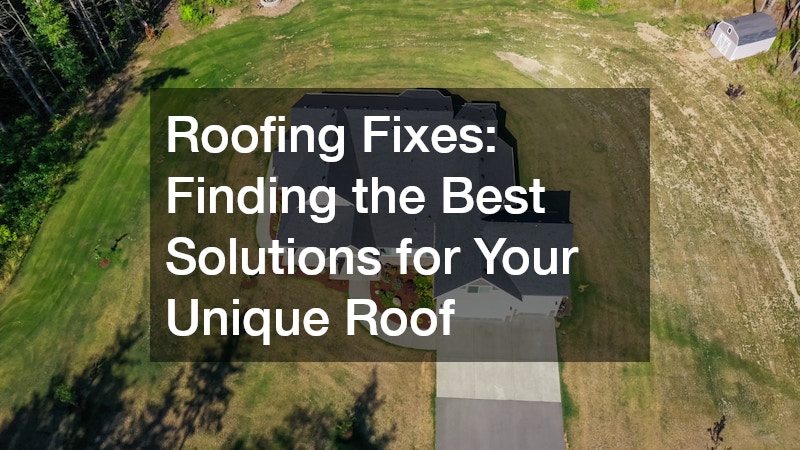
When it comes to maintaining your home, the roof is one of the most critical components. A well-maintained roof not only provides shelter but also ensures the structural integrity of the entire house. This article seeks to explore the various aspects of roofing fixes, emphasizing the importance of finding solutions tailored to your unique roof.
Choosing the Right Roofer
Qualifications
A roofer with proper qualifications can make a significant difference in the quality of roof repairs or replacements. Certified roofing contractors bring an assurance of standardized practices and up-to-date training. Moreover, checking for relevant licenses demonstrates their compliance with local and national guidelines in roofing services.
Alongside formal qualifications, certifications from reputable trade organizations play a crucial role. These endorsements often require roofers to demonstrate their skills and commitment to ongoing professional development. Verifying such credentials ensures you entrust your roofing needs to capable hands.
Experience
Experience is a pivotal factor when selecting a roofer for your property. Roofers with longstanding reputations in the industry likely have a proven track record of handling various roofing challenges. When choosing between contractors, it’s wise to ask about the number of years they have been operating and request references from past projects.
Experienced roofing businesses often have robust networks and can obtain roofing materials at a competitive rate, potentially reducing your project’s overall cost. Their familiarity with common roofing issues also means they can provide fast and efficient solutions. Especially for residential roofing projects, having seasoned residential roofers handle the task can result in smoother processes and enhanced outcomes.
Reputation
Determining the reputation of a roofer relies on gathering and analyzing information from multiple sources. Customer reviews and ratings found online are one of the most straightforward methods of gaining insight into their reputation. It’s useful to look at multiple reviews to acquire a holistic understanding of a roofing service’s strengths and weaknesses.
Verbal referrals from neighbors or acquaintances can also provide valuable information about the roofer’s capabilities and community standing. They can offer personal experiences that elaborate on aspects like punctuality, professionalism, and the quality of roof repairs performed. Such testimonials reinforce your understanding and help you make a confident choice.
Residential Roofers vs. Commercial Roofers
Differences
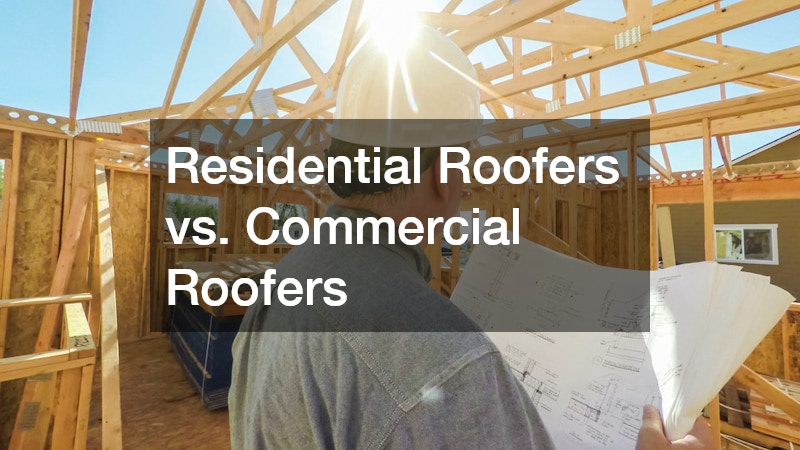
Although residential and commercial roofers perform similar functions, their domains of expertise differ significantly. Residential roofing typically involves smaller-scale projects focusing heavily on aesthetics and comfort. In contrast, commercial roofers handle broader projects designed for durability and functionality over aesthetics.
The materials and techniques employed in each type of roofing service also vary. Residential roofers may work more with shingles, tiles, or wood, while commercial roofers often do extensive work involving metal, built-up roofs, or EPDM rubber. These differences underscore the importance of selecting a roofer whose expertise aligns with your specific demands.
Expertise
Hiring a roofer specialized in residential roofing ensures that you receive services that cater specifically to home-based projects. Residential roofers have an extensive understanding of home architectural styles, popular roofing materials, and energy efficiency considerations relevant to residences. This expertise enables them to provide personalized solutions tailored to your home.
Expertise in residential roofing also implies familiarity with regular maintenance tasks essential for home roofs. Roof repairs, inspections, and upkeep become more streamlined when handled by specialists who understand your home’s unique requirements. Residential roofers offer insights that improve the performance and longevity of your roof.
Project Scope
The scope of residential roofing projects can vary significantly from that of commercial projects. Residential projects are often more focused on improving aesthetic appeal and upgrading roofing materials to enhance home value. These projects typically have shorter durations due to the smaller scale of homes compared to commercial buildings.
In contrast, commercial projects demand a greater emphasis on durability and compliance with commercial building codes. This scope includes considerations like flat roofing solutions, drainage efficiency, and energy management. Hence, commercial roofers must possess specific skills to address these specialized needs effectively.
Roof Repairs or Replacement
Assessment
Determining whether a roof requires repair or replacement involves a comprehensive assessment of its condition. Factors such as age, extent of damage, and recurring issues play a significant role. Early identification of these factors allows homeowners to make timely decisions that can save costs in the long run.
The importance of professional assessments cannot be overstated, as skilled roofers can identify underlying problems that might not be visible to the untrained eye. Engaging an experienced roofing service can lead to accurate diagnoses and precise recommendations. Professional assessments include examining shingle wear, water damage, and the structural state of the roofing framework.
Cost Considerations
When evaluating roof repair or replacement costs, several variables influence the expense involved. Roofing materials and labor rates form the bulk of the expenditure. However, factors like the roof’s size, damage complexity, and access difficulties increase the financial requirements.
Cost considerations should also take into account the long-term benefits of your decision. While roof repairs might seem more affordable in the short term, frequent repairs can add up over time. Conversely, roof replacements typically offer lasting solutions, which might justify the initial cost.
Long-Term Viability
Choosing between roof repairs and replacements significantly affects your roof’s long-term viability. Roof repairs provide immediate relief from damage but can sometimes offer temporary respite. Prolonged reliance on repairs might lead to increased costs without solving the root issues.
In cases where roofs are reaching the end of their lifespan, a replacement may be more prudent. Replacements often provide increased energy efficiency, enhanced protection, and a fresh aesthetic appearance. New materials and technologies further extend the longevity of new roofs, providing value additions to your home.
Choosing the Right Roofing Materials
Durability
Durability is a paramount factor in selecting roofing materials, as it determines the roof’s longevity and resilience. High-quality materials such as metal roofs, slate, and concrete tiles offer excellent durability, making them suitable for long-term solutions. These materials can withstand harsh weather conditions and require minimal maintenance over their lifespan.
Beyond material selection, the craftsmanship involved in installation plays a critical role in ensuring durability. Engaging a skilled roofing service guarantees that the chosen materials are installed correctly, optimizing their lifespan. Homeowners should consult roofing professionals to understand the durable options that align with their specific environmental conditions.
Aesthetics
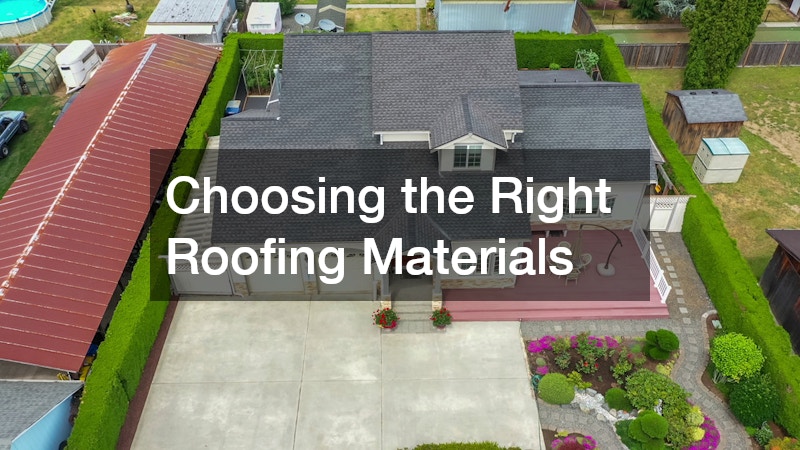
When evaluating roofing materials, balancing aesthetic appeal with practicality is essential. Homeowners desire roofing options that complement their home’s visual style while maintaining functionality. Various roofing materials offer diverse styles, textures, and colors that can achieve architecturally coherent looks.
Popular options like asphalt shingles provide a variety of aesthetic styles, allowing homeowners to mix finishes that suit their taste. Selecting aesthetically pleasing materials contributes significantly to a home’s curb appeal, enhancing its overall value. Consulting residential roofers aids in selecting materials that harmonize with existing architectural elements.
Maintenance
Each roofing material requires distinct levels of maintenance to retain its integrity and appearance. For example, tile and slate roofs, while durable, necessitate regular checks for cracked or slipped tiles. Consequently, homeowners should account for maintenance demands when selecting materials to align them with their capacity for maintenance tasks.
Some materials like asphalt shingles inherently demand less upkeep, often making them appealing to those seeking low-maintenance options. Nevertheless, any roofing choice requires periodic inspections and cleanup to remove debris, maintaining the roof’s performance. Ensuring that your selection coincides with your maintenance willingness leads to sustained roof health and satisfaction.
Importance of Regular Roof Inspections
Preventive Maintenance
Routine roof inspections serve as preventative maintenance, mitigating significant future roofing problems. Through regular checks, potential issues like mold growth, leaks, or minor damage can be spotted and addressed promptly. Preventive maintenance conducted by professional roofers helps maintain your roof’s functionality and avert costly repairs.
Engaging a trusted roofing service for regular inspections simplifies this preventive practice, maintaining peace of mind for homeowners. A preventative focus not only preserves resources but also respects the broader environmental implications by reducing waste and maintenance frequencies.
Early Detection
The early detection of roofing problems is a crucial argument for conducting frequent inspections. Minor issues detected early by residential roofers can be rectified swiftly, avoiding their escalation into major defects. Prompt detection through inspections minimizes repair costs and prevents structural complications.
Homeowners benefit from early detection by extending the overall lifespan of their roof. By consistently identifying and addressing problems before they aggravate, the structural health of the roof remains robust. This proactive approach forms part of effective home maintenance, ensuring superior protection and comfort.
Increased Lifespan
Regular roof inspections conducted by expert roofing services contribute significantly to maximizing your roof’s lifespan. By ensuring prompt resolution of minor issues, inspections prevent scenarios leading to premature roof replacements. An extended lifespan resulting from regular care translates into more considerable monetary savings for homeowners.
By working closely with a trusted local roofer for scheduled inspections, homeowners create an established maintenance rhythm. This consistency preserves the roof’s effectiveness and long-standing visual appeal. A considered strategy integrating regular inspections supports sustainable home upkeep for enduring comfort and safety.
Hiring Professional Roofing Services
Benefits
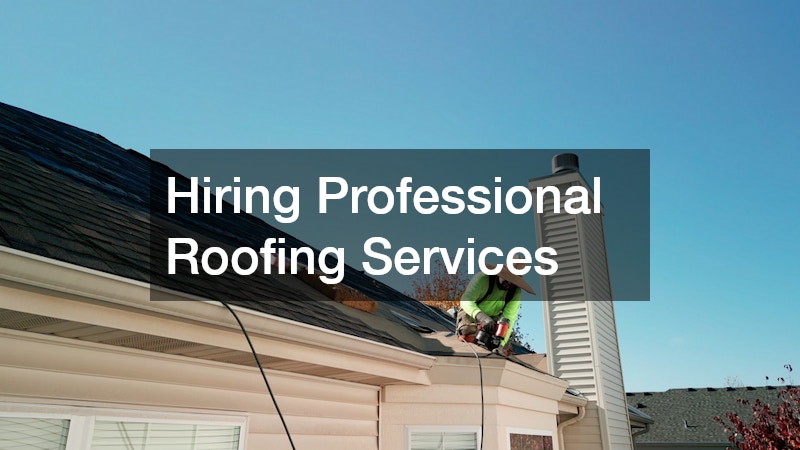
Hiring professional roofing services introduces numerous benefits that contribute to effective roof maintenance and repair. Professionals bring a wealth of experience and specialized knowledge that significantly enhances the quality of work. This proficiency translates into precise implementations, ensuring ideal material selection and installation.
Professional roofers also simplify complex project management tasks associated with roof repairs or installations. From securing quality materials to coordinating labor and inspections, their expertise ensures smooth project flow. This guidance is particularly crucial for homeowners unfamiliar with detailed roofing processes.
Insurance Coverage
Engaging professional roofers often affects homeowner’s insurance coverage positively. High-quality roofing services result in compliant installations that meet required standards, minimizing insurance risks related to faulty repairs. This compliance assures insurers that the roof integrity remains uncompromised, promoting favorable insurance terms.
Guarantees and Warranties
Professional roofing services stand by their work by offering guarantees and warranties that provide reassurance to homeowners. These assurances often cover labor, materials, and post-installation service needs, ensuring buyer protection from potential issues. Understanding these guarantees is crucial to maximizing the benefits they offer.
Local Roofer vs. National Roofing Contractors
Accessibility
Local roofers provide significant accessibility advantages due to their community-centric operations. Their proximity ensures quicker response times, proving crucial during emergencies and routine inspections. This immediacy enhances service reliability, ensuring measures like provisional roof repairs are efficiently managed.
Personalized Service
Working with a local roofer offers the added benefit of personalized service. These professionals are deeply invested in the neighborhoods they serve and often have a more personal stake in the success of your project. Local roofers pride themselves on offering attentive and customized care to each client’s requirements, exceeding expectations with bespoke solutions.
Community Impact
The impact of supporting local businesses by choosing a local roofer extends beyond your immediate roofing needs. Employing a local roofer strengthens the local economy by keeping money within the community, fostering regional growth. This commitment can enhance local services and infrastructure, contributing to a more robust economic environment.
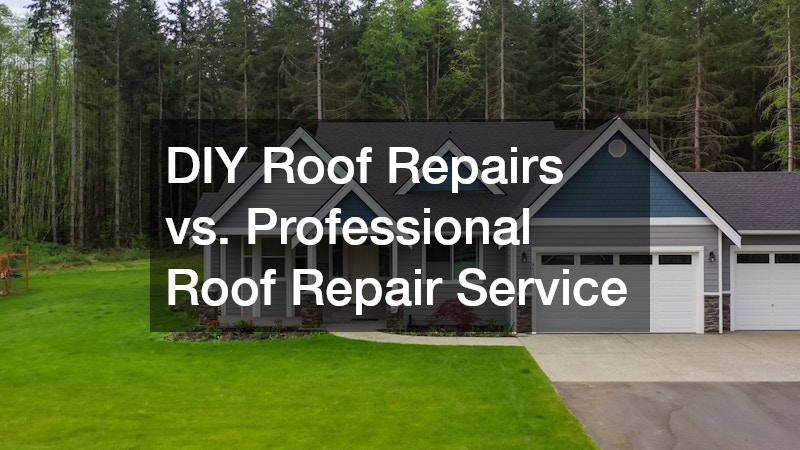
DIY Roof Repairs vs. Professional Roof Repair Service
Risks
Attempting DIY roof repairs involves significant risks that could incur further damage to your property. Without proper knowledge, homeowners might miss critical issues that worsen over time, increasing repair costs. Beyond potential financial expenses, homeowners also risk personal injury if safety measures are not rigorously applied.
Professional roof repair services mitigate these risks by employing trained personnel adept at identifying and resolving complex roofing challenges. Their expertise ensures safe execution of necessary repairs, preventing unanticipated complications. Enlisting professionals in tackling roofing issues preserves both human and material resources efficiently.
Quality of Work
The quality of work achieved through professional roof repair services typically surpasses that of DIY efforts. Roofing contractors bring technical skills and use specialized tools that often exceed average homeowners’ capabilities. They deliver durable fixes while adhering to industry standards, enhancing the roof’s performance.
Moreover, professional services ensure accountability and reliability by offering guarantees for the work done, granting peace of mind. Continual professional development enables roofers to remain proficient in employing best practices aligned with evolving industry trends. Prioritizing quality assures long-term benefits over temporary fixes.
In summary, finding tailored roofing solutions tailored to your unique roof demands knowledgeable choices and informed actions. Choosing the right roofer, understanding the scope of your roofing needs, and regularly inspecting and maintaining your roof are vital strategies. Prioritizing these elements preserves your home’s protection and maximizes your investments in residential roofing services.