
Explore the complexities of deciding between roof repair and roof replacement, and discover which option best suits your home’s needs. Your roof is a fundamental part of your home, and making the right choice can prevent future issues and maintain your property’s value. This guide will help clarify the factors you should consider when facing this significant decision.
1. What are the Signs That Indicate a Need for a Roof Repair?
Identifying signs of roof damage is crucial in deciding whether a roof repair service is necessary. Common indications include water stains on your ceiling, missing or damaged shingles, and visible roof sagging. Early detection of these issues can help maintain your home’s integrity and potentially avoid a costly roof replacement.
A local roofing contractor plays a vital role in assessing roof damage. They can conduct a thorough inspection to accurately identify and diagnose any problems. By leveraging their expertise, you’ll receive reliable advice on whether a repair or a replacement is needed.
Promptly addressing signs of damage with local roof repairs can prevent minor issues from escalating. Roof maintenance should not be delayed, as small leaks can lead to significant structural damage over time. Working with a reliable roofing contractor ensures that repairs are done efficiently and effectively.
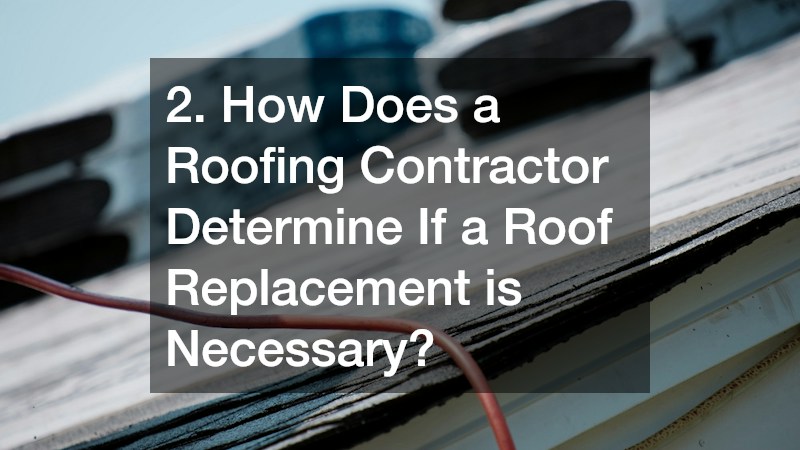
2. How Does a Roofing Contractor Determine If a Roof Replacement is Necessary?
A roofing contractor evaluates several factors before recommending a roof replacement. These include the age of the roof, the extent of the damage, and the cost-effectiveness of repairs versus replacement. Roofers aim to provide the best value for your investment by considering these critical elements in their assessment.
Local roofing companies conduct a comprehensive evaluation to decide if a roof replacement is the most viable option. The condition of the roof deck, the frequency of required repairs, and overall structural integrity are part of their assessment. They help ensure you make an informed decision that balances cost, longevity, and aesthetics.
Knowing when to contact a local roofing contractor is key. If you notice persistent leaks, widespread shingle damage, or if your roof has surpassed its lifespan, it may be time for a professional evaluation. Prompt evaluation helps avoid emergencies and more substantial expenses down the line.
3. What is the Average Cost Difference Between Roof Repair and Roof Replacement?
The cost of a roof repair versus a replacement varies considerably based on factors such as the roof’s size, materials used, and the severity of the damage. Typically, roof repair services are less expensive than a total roof replacement, making it an appealing option for minor issues. However, continuous repairs can cumulatively exceed replacement costs without addressing underlying problems.
Budget planning with a roofing contractor provides clarity on long-term costs. A reliable local reroofing company offers detailed estimates that factor in both immediate repair costs and future maintenance expenses. They are instrumental in helping you devise a plan that aligns with both your financial constraints and roofing needs.
Understanding the cost difference empowers homeowners to make prudent decisions. Investing in a roof replacement when it’s necessary can actually save money, as it may eliminate the cycle of repeated repairs. Engaging professional roofers ensures your investment translates into durable, long-term home protection.
4. How Long Does a Roof Repair Service Typically Take?
Several factors affect the duration of a roof repair, including the extent of the damage and the type of materials involved. Generally, minor repairs can often be completed within a day or two, whereas more complex repairs may take longer. Efficient completion times depend largely on the expertise and scheduling prowess of the local roofing contractor you hire.
The work efficiency of roofing contractors often determines the repair timeline. Choosing an experienced local roofing company ensures you benefit from streamlined processes and minimized disruption. By setting realistic expectations with your contractor, you can better prepare for the project timeline.
Coordinating schedules for local roof repairs is an important step in planning your project. It’s advisable to agree on a start date that accommodates any potential weather disruptions, ensuring your home is protected throughout the repair journey. This coordination helps avoid unexpected delays and keeps costs in check.
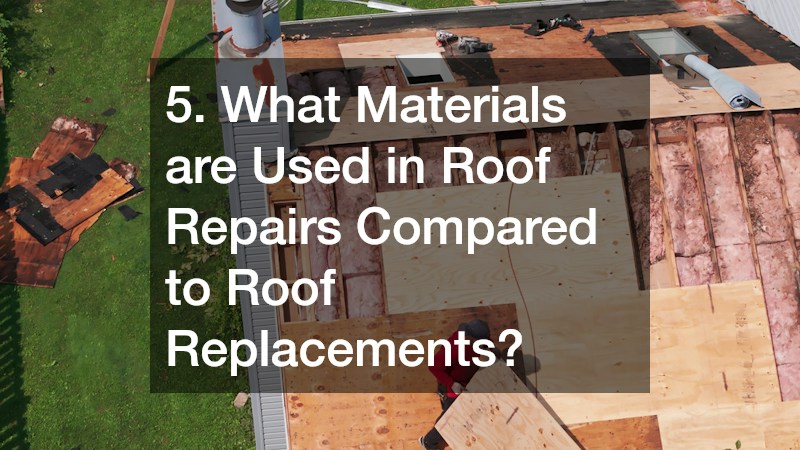
5. What Materials are Used in Roof Repairs Compared to Roof Replacements?
Materials used in roof repairs are selected based on compatibility with existing roofing components and the nature of the damage. Common materials include shingles, underlayment, sealants, and flashing, each playing a role in patching up compromised areas. Quick accessibility to these materials allows local roofers to address issues effectively.
Roof replacements, however, involve a broader selection of material choices. Options like asphalt shingles, metal, and tile may be considered based on budget and aesthetic preferences. It is crucial that roofing contractors guide homeowners through materials that match local climate demands and property styles.
Material considerations influence the durability and functionality of your roof. Selecting the right materials can optimize your home’s energy efficiency, enhance its curb appeal, and reduce maintenance needs. Consultation with a knowledgeable local roofing contractor can inform your choice of materials, ensuring a lasting investment.
6. How Do Different Types of Roofing Affect Repair or Replacement Decisions?
Roofing types play a pivotal role in the decision-making process for repairs or replacements. Certain materials such as metal or tile roofs have different repair and replacement requirements compared to asphalt shingles. Understanding these nuances helps in scheduling necessary maintenance and predicting future needs effectively.
Roofing companies analyze diverse types of roofing to recommend the best practices. They consider the specific lifecycle, weather resistance, and maintenance needs associated with different roofing materials. Their insights ensure your decision regarding repairs or replacements aligns with your roof’s unique characteristics and performance.
Consultation with experienced roofers is invaluable in these situations. They analyze the advantages and disadvantages associated with your roofing type and offer personalized guidance. This guidance helps ensure that your roofing investment is sustainable, aesthetically pleasing, and low-maintenance.
7. Are There Seasonal Considerations for Roof Repair or Replacement?
The impact of weather on roofing projects can be significant, impacting both timing and cost. Some seasons, such as spring and fall, offer more favorable conditions for roof repairs and replacements. Saving time and money, by scheduling during these optimal seasons, avoids peak demand and adverse weather conditions.
Hiring a local roofing contractor during ideal seasons ensures smoother project execution. They can maximize work efficiency, minimize interference caused by adverse weather conditions, and reduce material waste. A seasoned roofing company will suggest the best schedule, based on regional weather patterns and the urgency of repairs needed.
Optimization of project timing can often reflect positively on both the completion timeline and overall project costs. Scheduling roofing work during less busy periods may lead to better availability of roofing companies. It also often results in more competitive pricing, ensuring the affordable completion of your roofing project.
8. How Do Local Building Codes Affect My Roofing Project?
Understanding local building codes is essential when planning a roofing project. These regulations dictate roofing materials, installation procedures, and inspection requirements, depending on the region’s climatic conditions. Compliance ensures that your project meets safety standards and avoids legal complications post-installation.
Your local roofing company serves as a critical resource in navigating these codes. Experienced roofing contractors provide guidance to ensure adherence to relevant codes, helping you avoid fines and project delays. They work in tandem with inspectors, ensuring all work undertaken is code-compliant and adheres to industry standards.
Navigating local regulations can be complex without the proper expertise. A qualified local roofing contractor will streamline this process, providing peace of mind and the assurance that all work aligns with legal and safety obligations. This partnership is crucial in delivering successful roofing outcomes.

9. What Are the Benefits of Hiring a Local Roofing Company?
Hiring a local roofing company presents numerous advantages, primarily stemming from their established reputation and commitment to the community. Local roofers are often renowned for their comprehensive knowledge of regional environmental conditions and building codes. They deliver roofing services tailored to suit local weather patterns and unique architectural demands.
Quick response times for local roof repairs stand as a significant benefit of hiring nearby contractors. Their ability to promptly address urgent issues minimizes property damage and ensures your home’s safety. This agility helps maintain the structure’s integrity, saving homeowners from costly, prolonged repairs.
Working with trusted local roofing companies fosters a positive service experience. Their dedication to local clientele fosters lasting relationships, guaranteeing accountability and quality. These partnerships lead to satisfied customers, extending the lifespan of your roofing solution.
10. How Do Roofers Ensure Quality in Their Repairs or Replacements?
Roofers implement rigorous quality assurance practices to guarantee the highest standards in their work. Techniques include comprehensive inspections throughout the project and adherence to manufacturer guidelines for materials. Implementing these practices ensures consistent quality across all repair and replacement services.
Certification is a primary tool employed by roofing contractors to assure quality. Leading companies comply with recognized industry standards and often hold certifications from professional organizations. These certifications attest to the skills and expertise that result in durable roofing solutions.
Standards followed by roofing companies serve as a checklist for quality service delivery. By adhering to these standards, roofers assure their clients of safety, reliability, and value for their investment. Partnering with certified contractors guarantees performance, quality, and peace of mind.
11. What Warranties or Guarantees Should I Expect from a Roofing Contractor?
When engaging a roofing contractor, customers should expect standard warranties that cover workmanship and materials. A workmanship warranty ensures the repair or replacement meets industry standards and provides peace of mind that the job was completed professionally. Material warranties as part of the package ensure coverage for manufacturer defects.
Reputable roofers often go beyond standard warranty offerings, extending guarantees that reflect their confidence in their work. These companies promise prompt response and resolution for any post-completion issues. Engaging such professionals provides assurance that your investment is secure and will perform as promised over time.
Understanding warranty terms and conditions ensures homeowners are well-informed and protected. Homeowners should review and discuss these terms with their contractor, ensuring clarity on what is covered and for how long. This transparency forms the foundation of a trusting and professional partnership.
12. Can I Repair or Replace the Roof Myself?
DIY roof repairs can be tempting due to perceived cost savings, but come with significant risks. Challenges include ensuring safety, matching materials appropriately, and achieving professional-grade quality. Mistakes can exacerbate problems, leading to increased expenses for future professional interventions.
Acknowledging the risks and complexities, many opt to engage professional roofing services instead. Roofing contractors deliver skilled work with quality assurances, mitigating the risks inherent in amateur approaches. They possess the necessary expertise and equipment, ensuring that all safety protocols are observed.
For those considering self-managed projects, careful evaluation of skills, tools, and project scope is imperative. When in doubt, consulting with a local roofing contractor provides an informed perspective on project feasibility. These evaluations determine the best course of action for resolving roofing needs safely and effectively.

13. How Do I Choose the Right Local Roofing Contractor?
Finding the right local roofing contractor involves evaluating their credentials and reputation. Certification verifies technical proficiency, while reviews and references offer insight into their customer service quality. A proven track record in successful project delivery assures homeowners of a reliable partner.
Contractor selection should consider recommendations from trusted sources, including friends, family, and local community groups. Such referrals often point toward reputable roofing companies known for delivering high-quality work and excellent customer satisfaction. Engaging contractors recommended within your network can simplify your search for trusted professionals.
Ultimately, making the best choice involves aligning project needs with contractor capabilities. Pre-evaluation meetings offer insights into a contractor’s approach, transparency in communication, and willingness to meet unique project specifications. Choosing a contractor who demonstrates professionalism and sincerity ensures overall project success.
Conclusion
Summarizing key considerations in deciding between roof repair and replacement, ensuring a well-informed decision that aligns with your home’s and personal needs. Make sure to leverage the expertise of a qualified local roofing contractor, whose input is invaluable throughout the decision-making process. With careful consideration and skilled guidance, you’ll secure the best possible outcome for your roofing project.