Introduction: Taking a Proactive, Whole-Home Approach
Maintaining a home is not about reacting to problems as they arise—it’s about understanding how every system works together and taking steps to keep them functioning properly over time. From plumbing and roofing to exterior surfaces and landscaping, each component plays a role in protecting your investment and supporting your daily comfort. When one area is neglected, it can create a ripple effect that leads to larger, more expensive issues.
A proactive, whole-home approach allows homeowners to identify concerns early, plan improvements strategically, and avoid unnecessary disruptions. Instead of handling repairs one at a time, this method focuses on coordination, efficiency, and long-term performance. By thinking ahead and addressing small issues before they escalate, you can reduce costs and maintain a more reliable living environment.
This guide is designed to provide practical, actionable advice across key areas of home maintenance. Whether you’re planning upgrades, responding to damage, or simply trying to stay ahead of routine wear and tear, a structured approach will help you make better decisions. With the right strategy, you can create a home that remains safe, efficient, and comfortable for years to come.
Start with a Full Home Inspection and Maintenance Plan
Before making improvements, it’s essential to understand your home’s current condition. A thorough inspection helps identify both visible and hidden issues that may affect performance over time.
Start by walking through your property and evaluating:
- Exterior surfaces for cracks, discoloration, or wear
- Roofing for missing materials or signs of leaks
- Plumbing fixtures for drips, pressure changes, or corrosion
- Landscaping for overgrowth or drainage concerns
Inside the home, look for:
- Uneven temperatures between rooms
- Signs of moisture such as stains or odors
- Flooring damage or soft spots
- Peeling paint or wall imperfections
Once you’ve gathered this information, organize it into a priority list:
- Immediate repairs (safety hazards or active damage)
- Short-term improvements (within 6–12 months)
- Long-term upgrades (efficiency or aesthetic improvements)
Creating a seasonal maintenance plan also helps keep everything on track. For example:
- Spring: exterior cleaning, landscaping, and inspections
- Summer: painting and outdoor upgrades
- Fall: roof checks and weatherproofing
- Winter: interior systems and plumbing monitoring
Knowing when to handle tasks yourself versus hiring professionals is equally important. Minor maintenance can often be DIY, but structural, electrical, and system-related issues should always involve experienced service providers.
Plan for Consistent Hot Water and Reliable Plumbing
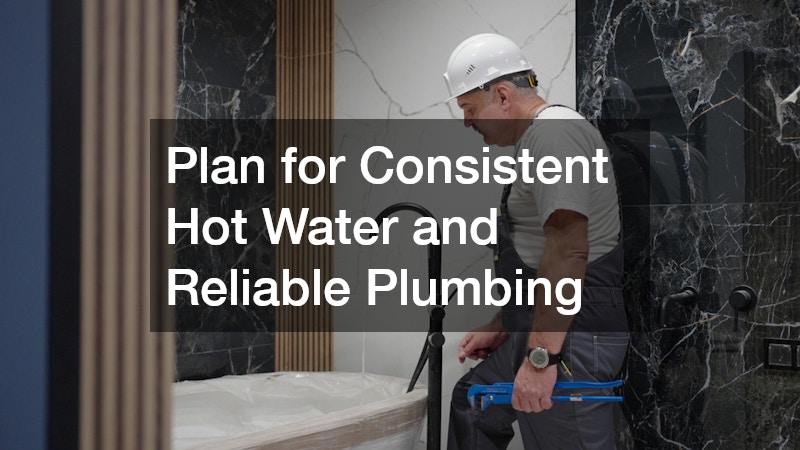
Hot water and reliable plumbing are essential to daily life, yet many homeowners don’t think about these systems until something goes wrong. Planning ahead ensures consistent performance and helps avoid costly disruptions.
One of the most important upgrades to consider is proper water heater installation. Choosing the right system involves evaluating your household’s needs, including:
- Number of occupants
- Daily water usage
- Peak demand times
- Energy efficiency goals
Modern systems offer a range of options, from traditional tank units to tankless models that provide on-demand hot water. Each has its benefits, and selecting the right one can improve both convenience and energy savings.
A skilled plumber plays a critical role in both installation and ongoing maintenance. Beyond visible fixtures, plumbing systems include hidden pipes and connections that require professional evaluation.
Watch for warning signs such as:
- Fluctuating water temperatures
- Low water pressure
- Unusual noises in pipes
- Water discoloration
Preventative maintenance tips include:
- Flushing water heaters annually
- Inspecting visible pipes for leaks
- Avoiding grease and debris in drains
- Scheduling routine inspections
By addressing issues early and investing in quality installation, homeowners can ensure long-term reliability and efficiency.
Improve Household Water Quality and Efficiency
Water quality directly impacts both your health and your home’s infrastructure. Even clean-looking water may contain minerals, sediment, or contaminants that affect taste, appliance performance, and plumbing systems.
Installing water filtration systems helps remove these impurities and improve overall water quality. There are several types to consider:
- Whole-home systems that treat water at the source
- Under-sink units for drinking water
- Reverse osmosis systems for advanced filtration
- Carbon filters for odor and taste improvement
Benefits of filtration include:
- Reduced buildup in pipes and appliances
- Improved taste and odor
- Healthier water for drinking and bathing
- Extended lifespan of plumbing fixtures
To choose the right system:
- Test your water quality
- Identify specific concerns (hard water, chlorine, sediment)
- Consider household size and water usage
- Evaluate maintenance requirements
Routine maintenance is essential to ensure effectiveness:
- Replace filters on schedule
- Monitor system performance
- Clean components as needed
Investing in water quality not only enhances daily living but also protects your home from long-term damage.
Respond Quickly and Effectively to Water Damage

Water damage can occur suddenly and spread quickly, affecting multiple areas of your home. Whether caused by leaks, storms, or plumbing failures, immediate action is critical to minimize damage.
Professional water restoration services follow a structured process:
- Assessing the extent of damage
- Removing standing water
- Drying affected areas with specialized equipment
- Preventing mold growth
- Repairing structural damage
Homeowners should take immediate steps such as:
- Shutting off the water source
- Removing valuables from affected areas
- Increasing airflow with fans or ventilation
- Contacting professionals promptly
Delaying action can lead to:
- Mold development within days
- Structural weakening
- Increased repair costs
Prevention strategies include:
- Regularly inspecting plumbing and roofing
- Maintaining proper drainage around the home
- Addressing small leaks immediately
Quick, professional response ensures that your home is restored safely and thoroughly.
Protect Exterior Surfaces from Cracks and Moisture
Exterior surfaces protect your home from environmental exposure, but they can deteriorate over time. Cracks in stucco or similar materials are common and should never be ignored.
Causes of cracking include:
- Temperature fluctuations
- Natural settling
- Moisture infiltration
- Poor initial application
Proper stucco crack repair involves:
- Cleaning the damaged area
- Filling cracks with appropriate materials
- Sealing and finishing the surface
- Matching the existing texture
Ignoring small cracks can lead to:
- Water intrusion
- Mold growth
- Structural damage
Preventative measures include:
- Annual inspections
- Maintaining proper drainage
- Sealing surfaces as needed
Addressing issues early helps maintain both appearance and structural integrity.
Keep Your Roof Strong and Weather-Resistant
Your roof is your home’s primary defense against the elements. Regular maintenance and timely repairs are essential for long-term protection.
Common signs of roof issues include:
- Missing or damaged shingles
- Water stains on ceilings
- Sagging areas
- Debris buildup
Working with experienced roofers ensures that problems are identified and resolved correctly.
Maintenance tips include:
- Scheduling annual inspections
- Cleaning gutters regularly
- Removing debris
- Repairing damage promptly
Deciding between repair and replacement depends on:
- Age of the roof
- Extent of damage
- Cost comparison
A well-maintained roof improves energy efficiency and prevents costly interior damage.
Restore and Maintain Clean, Durable Exterior Surfaces
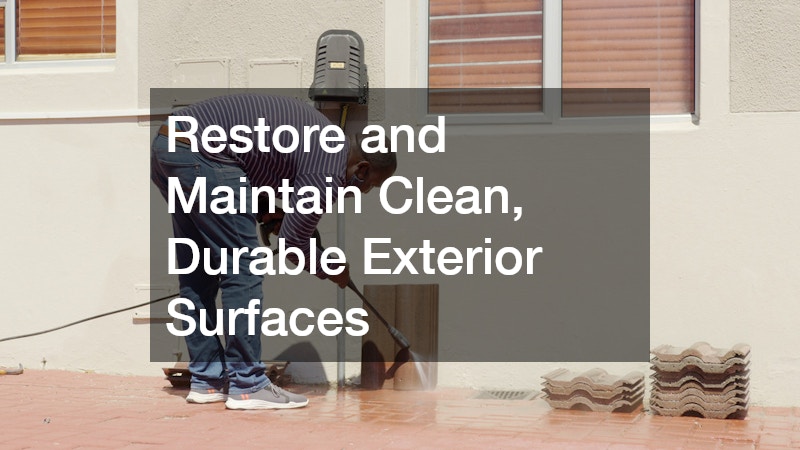
Over time, dirt, mold, and grime accumulate on exterior surfaces, affecting both appearance and durability. Professional power washing services help restore these areas effectively. Beyond visual improvement, routine cleaning plays a critical role in preserving the structural integrity of materials that are constantly exposed to the elements.
Key benefits include:
- Improved curb appeal
- Prevention of material deterioration
- Removal of harmful buildup
In addition to these benefits, regular cleaning can help identify underlying issues that may otherwise go unnoticed. For example, once surfaces are cleared of debris and stains, homeowners can more easily spot cracks, wood rot, or areas where moisture may be penetrating. This allows for earlier intervention and reduces the risk of more extensive repairs.
Common areas to clean:
- Driveways and sidewalks
- Decks and patios
- Siding and fences
It’s also important to consider less obvious areas such as gutters, garage doors, and outdoor furniture. These surfaces can accumulate buildup that contributes to wear and tear over time. Keeping them clean helps maintain both function and appearance.
Frequency recommendations:
- Annually for most homes
- More often in humid or dusty environments
Homes located near wooded areas, coastal regions, or construction zones may require more frequent cleaning due to increased exposure to organic debris, salt, or airborne particles. Adjusting your maintenance schedule based on your environment ensures optimal results.
Safety is important, as improper pressure can damage surfaces. Professional services ensure proper techniques and equipment are used. They also understand how to adjust pressure levels and cleaning solutions for different materials, preventing issues such as chipped paint, etched concrete, or damaged wood. Investing in professional cleaning helps extend the lifespan of your exterior surfaces while maintaining a polished, well-maintained look.
Maintain Safe and Healthy Landscaping Around Your Home
Landscaping plays a significant role in both aesthetics and safety. Overgrown trees can pose risks if not properly maintained. In addition to visual appeal, a well-maintained landscape contributes to better drainage, improved airflow, and reduced strain on surrounding structures.
A professional tree trimming service helps:
- Remove dead or weak branches
- Improve tree health
- Prevent property damage
Regular trimming also promotes balanced growth, allowing trees to develop stronger structures and healthier canopies. This not only enhances their appearance but also reduces the likelihood of unexpected breakage during storms or high winds.
Risks of neglect include:
- Falling branches
- Roof and siding damage
- Obstructed drainage
Overgrown trees can also block sunlight, leading to excess moisture around your home’s exterior. This creates conditions that may encourage mold growth or attract pests. In some cases, roots can interfere with foundations, sidewalks, or underground utilities, causing additional complications.
Best practices include:
- Seasonal trimming
- Monitoring tree growth
- Maintaining safe distances from structures
It’s also beneficial to evaluate the placement of trees and shrubs during landscaping updates. Choosing the right species and planting them at appropriate distances from your home can prevent future issues. Routine inspections after storms or seasonal changes help identify potential hazards early.
Proper care enhances both safety and visual appeal. A well-maintained landscape not only protects your property but also creates a welcoming and organized outdoor environment that complements the overall condition of your home.
Prevent Pests Before They Become a Problem
Pests can quickly disrupt your home and cause damage if not addressed. Preventative pest control services are essential for maintaining a safe environment. Taking a proactive approach helps minimize infestations and reduces the need for more aggressive treatments later on.
Common pests include:
- Insects such as ants and termites
- Rodents
- Spiders and wasps
Each type of pest presents its own risks. For example, termites can compromise structural wood, while rodents may damage wiring or insulation. Identifying these threats early is key to preventing long-term damage.
Prevention strategies:
- Sealing entry points
- Keeping areas clean
- Eliminating standing water
Additional steps include:
- Storing food in airtight containers
- Regularly disposing of trash
- Trimming vegetation away from the home
- Inspecting basements, attics, and crawl spaces
Professional services provide:
- Thorough inspections
- Targeted treatments
- Ongoing monitoring
Many pest control providers also offer customized maintenance plans based on your home’s location and specific risk factors. These plans ensure consistent protection throughout the year and adapt to seasonal pest activity.
Consistent pest management reduces risks and protects your home. By combining preventative measures with professional support, homeowners can maintain a healthier living environment and avoid costly repairs associated with infestations.
Refresh and Protect Surfaces with Professional Finishes
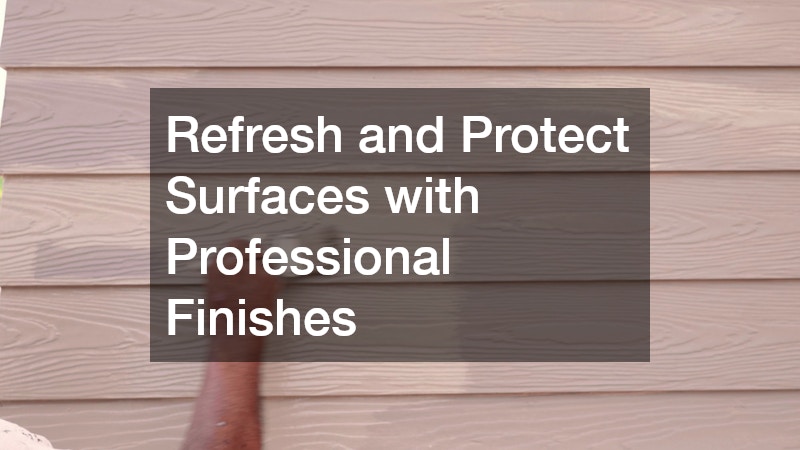
Painting is both a cosmetic and protective upgrade. Over time, surfaces wear down and require attention. Exposure to sunlight, moisture, and temperature fluctuations can cause paint to fade, crack, or peel, leaving underlying materials vulnerable.
Working with painting companies ensures high-quality results and long-lasting finishes. Professionals bring experience in surface preparation, product selection, and application techniques that contribute to a more durable outcome.
Benefits include:
- Improved appearance
- Protection from moisture and wear
- Increased property value
In addition to these advantages, a fresh coat of paint can help seal small imperfections and create a uniform, polished look throughout the home. This is especially important for exterior surfaces that face constant environmental exposure.
Preparation steps are critical:
- Cleaning surfaces
- Repairing imperfections
- Applying primer
Proper preparation ensures that paint adheres correctly and performs as expected over time. Skipping these steps can lead to premature failure and additional maintenance costs.
Choosing the right materials and techniques ensures durability and visual appeal. Factors such as climate, surface type, and intended use should all be considered when selecting paint products. High-quality finishes not only enhance aesthetics but also provide long-term protection against wear and environmental damage.
Coordinate Home Services for Maximum Efficiency
Managing multiple home services requires planning and coordination. Grouping related tasks can save time and reduce costs. It also helps ensure that different projects are completed in a logical order, preventing rework or unnecessary delays.
Strategies include:
- Scheduling seasonal services together
- Combining exterior maintenance projects
- Planning budgets in advance
For example, coordinating exterior cleaning, painting, and minor repairs at the same time allows each service to build on the previous one. This approach improves overall results and minimizes disruption to your daily routine.
Keeping detailed records helps track maintenance history and plan future work effectively. Documentation such as service dates, warranties, and inspection reports provides valuable insight into your home’s condition over time.
Additional coordination tips include:
- Establishing relationships with trusted service providers
- Setting reminders for recurring maintenance
- Reviewing your plan annually and adjusting as needed
A well-organized maintenance strategy ensures that no critical tasks are overlooked. It also allows homeowners to make more informed decisions and allocate resources efficiently.
Increase Property Value Through Strategic Upgrades
Strategic upgrades not only improve your living experience but also increase your home’s market value. Buyers are more likely to invest in properties that show consistent care and thoughtful improvements.
High-impact improvements include:
- Structural repairs
- Energy-efficient upgrades
- Exterior enhancements
In addition to these upgrades, modernizing key systems and improving curb appeal can significantly influence how a property is perceived. Even smaller updates, when done consistently, contribute to a more attractive and functional home.
Balancing necessary repairs with aesthetic upgrades ensures the best return on investment. While cosmetic improvements can enhance appearance, addressing foundational issues first ensures long-term stability and performance.
Homeowners should also consider:
- Tracking all upgrades and maintenance work
- Prioritizing improvements based on long-term value
- Investing in durable, high-quality materials
A well-maintained home provides both immediate comfort and long-term financial benefits. By approaching upgrades strategically, homeowners can maximize their investment while creating a more enjoyable living environment.
Conclusion: Building a Strong, Efficient, and Lasting Home
Maintaining a home requires consistency, planning, and a willingness to address issues before they become major problems. By taking a proactive approach, homeowners can protect their investment, improve comfort, and reduce long-term costs.
Each system in your home plays a role in overall performance. When these systems are maintained and upgraded thoughtfully, they work together to create a more reliable and efficient environment.
In addition to routine maintenance, staying informed about your home’s needs allows you to make smarter decisions over time. Regular inspections, timely repairs, and strategic upgrades all contribute to a stronger, more resilient property. Small efforts made consistently can prevent larger issues and ensure that your home continues to function at its best.
With the right strategy, regular inspections, and professional support when needed, you can ensure your home remains a safe, comfortable, and valuable asset for years to come.