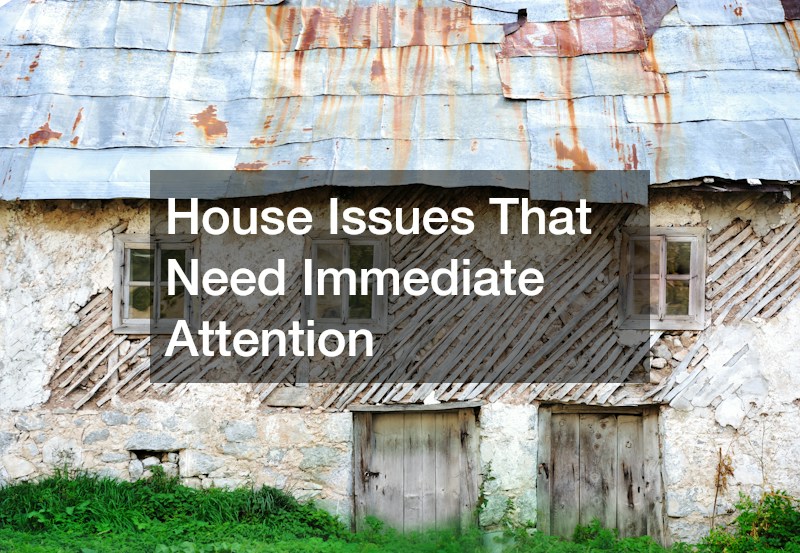
Owning a home brings immense satisfaction, but it also comes with a continuous list of maintenance responsibilities. While minor cosmetic flaws like chipped paint or squeaky door hinges can easily sit on your weekend project list for months, other household issues require immediate action. Ignoring major residential warning signs can transform small fixable problems into catastrophic structural failures, severe health hazards, and astronomical repair bills. Recognizing which situations demand fast intervention is one of the most critical skills a property owner can possess.
The challenge for most homeowners lies in differentiating between routine wear and tear and genuine emergencies. A slow drip under the bathroom vanity might seem minor, yet it could be the early indicator of a pressurized pipe breakdown or undetected subfloor rot. Similarly, a faint rattling noise coming from your basement utility closet could signal an impending heating system failure right before a major winter cold front hits. Being proactive means understanding how these core building systems operate, identifying early warning indicators, and knowing exactly when to call in qualified professionals to protect your investment and keep your household safe.
Severe Roof Leaks and Exterior Vulnerabilities
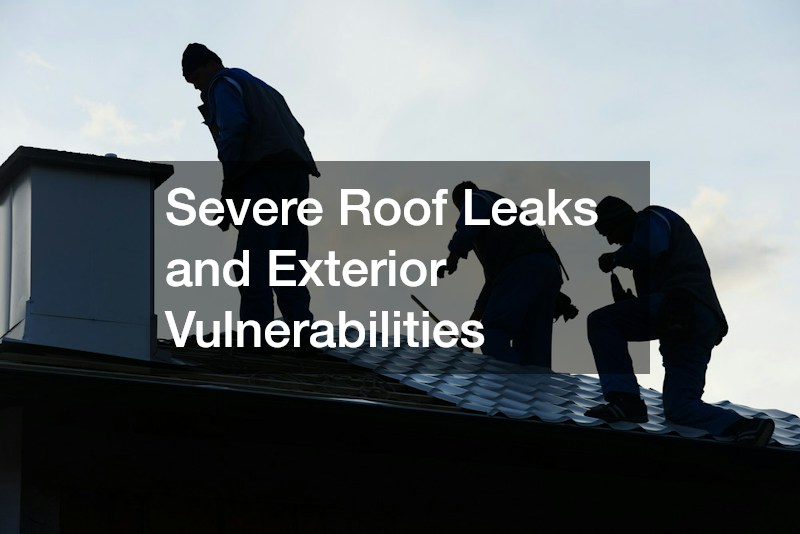
Your roof acts as the primary barrier against natural elements, shielding your framing, insulation, interior drywall, and personal belongings from weather damage. When a roof breach occurs, water quickly invades hidden cavities inside your walls and ceilings. A minor ceiling stain after a storm often indicates that water has already saturated the attic insulation, pooled along structural joists, and started destroying plaster or drywall overhead.
Neglecting upper-level moisture intrusion opens the door to extensive timber decay, severe structural sagging, and rapid mold contamination. Mold spores can germinate within twenty-four to forty-eight hours in damp environments, creating health risks for inhabitants with respiratory sensitivities. Knowing how to assess roof degradation and take swift action will preserve the long-term integrity of your dwelling.
Inspecting Attic Spaces and Ceiling Surfaces
- Check ceiling surfaces regularly for brownish rings, peeling paint, or bulging drywall, which indicate accumulated water pressure behind the surface.
- Access your attic during daytime hours with a flash light to check for visible daylight shining through wood decking or damaged shingles.
- Inspect insulation for dark damp spots, standing water, or persistent musty odors that signal chronic moisture retention.
- Use a moisture meter along exposed rafters to detect elevated dampness levels before structural rot takes hold.
- Look for signs of insect infestation or wood rot along structural supports near suspected water entry points.
Mitigating Roof Damage and Securing Exterior Coverings
To prevent water from spreading further inside your living space during heavy rains, place large buckets directly beneath visible drips and puncture the center of sagging drywall bubbles with a small nail to drain trapped liquid cleanly. Once weather conditions permit safe outdoor access, hire certified roofing contractors to perform a thorough diagnostic evaluation. Experienced professionals can locate hidden membrane tears, replace missing shingles, and reseal damaged flashing around chimneys or vent pipes. For properties experiencing widespread storm damage, partnering with a dependable residential roofing company ensures that high-grade materials and structural warranties are applied during full section replacements.
Critical Plumbing and Wastewater Emergencies

Plumbing systems operate under constant hydraulic pressure, making sudden pipe ruptures and severe line blockages particularly destructive. An unaddressed indoor pipe burst can unleash hundreds of gallons of water into your living space within an hour, ruining hardwood flooring, disintegrating cabinetry, and destroying electrical conduits running beneath the floorboards.
Wastewater backups represent an even higher risk due to biohazard risks. Main sewer line clogs force raw sewage up through floor drains, bathtubs, and toilets, exposing occupants to harmful bacteria and viruses. Recognizing early warning signals within your supply and drainage network allows you to secure professional intervention before property damage escalates beyond control.
Diagnostic Signs of Systemic Drainage Failures
- Watch for multiple plumbing fixtures bubbling or draining slowly at the same time, which signals a main sewer line blockage.
- Listen for unusual gurgling noises emitting from toilet bowls when the washing machine drains or sinks are running.
- Check basement floor drains regularly for standing liquid, foul sewage odors, or wet waste residue accumulation.
- Monitor your water meter while all indoor faucets are completely turned off to check for unseen underground line leaks.
- Look for patches of unusually green, lush grass in your yard above buried sewer infrastructure.
Clearing Hazardous Blockages and Restoring Water Lines
When main sewer lines stall or major supply pipes burst, turn off your main water shutoff valve immediately to cut supply pressure. In these high-stress situations, hiring emergency plumbers is essential for containing moisture exposure and restoring normal household sanitation. Professionals utilize specialized camera equipment to inspect pipe interiors and identify root intrusions, cracked mains, or structural pipe collapses. Furthermore, routine maintenance involving targeted drain cleaning prevents organic debris, grease buildup, and mineral scale from fully choking waste pipes and causing catastrophic indoor sewage blowouts.
Complete Heating System Failure in Cold Seasons
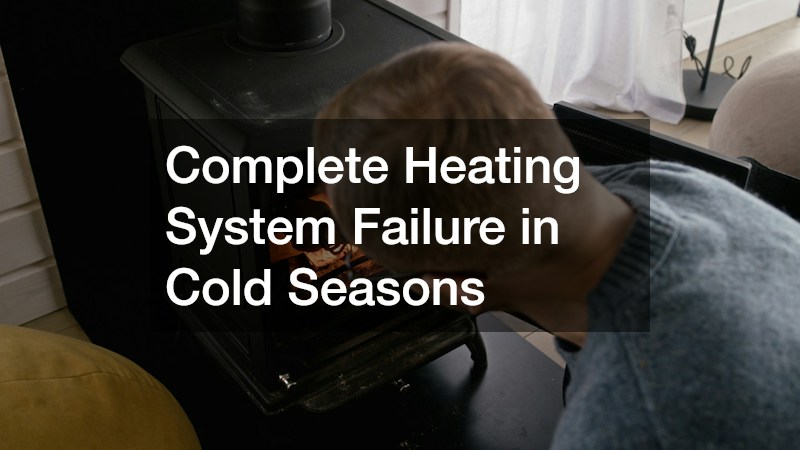
Losing interior heat during freezing ambient temperatures is more than a mild inconvenience; it is a critical safety issue. When indoor temperatures drop precipitously, interior water pipes located in exterior walls, unheated crawlspaces, or basements can freeze and burst open. Additionally, vulnerable individuals, such as young children and elderly family members, face real risks of hypothermia when living spaces cool down rapidly.
Heating system malfunctions can also introduce hazardous carbon monoxide gas into your living space. Damaged heat exchangers, clogged flue vents, or improper gas combustion can release toxic, odorless fumes that pose life-threatening risks to occupants. Immediate action is necessary whenever your central heat stops functioning properly during cold periods.
Identifying Critical Furnace Malfunctions
- Listen for aggressive grinding, squealing, or banging sounds coming from inside cabinet blowers or burner compartments.
- Observe burner flame color through sight windows; yellow or flickering flames indicate incomplete gas combustion rather than a clean blue burn.
- Take immediate notice of short-cycling behavior, where the heating cycle starts and abruptly stops within seconds.
- Check your carbon monoxide alarms regularly to ensure rapid detection of invisible, toxic exhaust gas leaks.
- Monitor your indoor thermostat readings to verify that the furnace is maintaining target comfort settings efficiently.
Servicing Heating Units and Restoring Thermal Comfort
If your central unit fails to ignite, check your thermostat settings, power switches, and circuit breaker panels first to clear basic electrical causes. When those simple checks yield no result, schedule professional furnace repair without delay to prevent internal freezing damage. Trained technicians can safely evaluate pilot assemblies, clean flame sensors, replace failed igniters, and inspect heat exchangers for microscopic cracks. Relying on certified Heating services guarantees that gas connections, electrical wiring, and venting setups conform fully to local building and safety regulations.
Air Conditioning and Indoor Air Quality Disruption
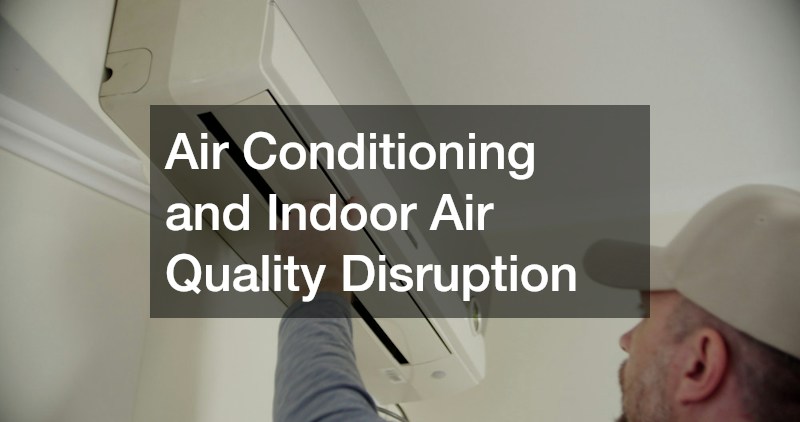
During extreme summer heatwaves, a breakdown in your central cooling system creates uncomfortable indoor living environments and severe health risks for vulnerable individuals. High interior heat combined with elevated humidity can trigger heat exhaustion and aggravate underlying respiratory or cardiovascular conditions.
Beyond temperature control, cooling systems play a key role in managing indoor air quality and indoor humidity levels. A malfunctioning air conditioner that fails to remove moisture creates an ideal environment for dust mites, airborne allergens, and mold spores to thrive throughout ductwork and living quarters. Keeping cooling equipment fully operational preserves comfort, healthy airflow, and structural interior surfaces.
Monitoring Cooling Performance and Condensate Drainage
- Feel air register outputs to ensure cool air blows out steadily rather than room-temperature air.
- Check condensate drain pans beneath indoor air handler units for standing water or overflowing liquid.
- Inspect outdoor condenser coils for heavy dirt accumulation, crushed cooling fins, or severe ice buildup along copper lines.
- Smell air coming from supply vents to identify musty odors that signal mold growth inside ducting networks.
- Listen for buzzing or clicking noises coming from outdoor compressor units during startup attempts.
Maintaining Air Handler Units and Condenser Lines
Homeowners can prevent minor cooling issues from escalating by changing return air filters monthly and clearing debris away from outdoor condenser units. If the system starts blowing warm air or freezing up along refrigerant lines, request specialized ac repair services to diagnose refrigerant leaks, test capacitor electrical loads, and service fan motor bearings. Prompt professional maintenance keeps compressor components from burning out prematurely and prevents overflowing condensate pans from ruining drywall, floorboards, and ceiling framework below the air handler.
Tree Hazards and Exterior Property Threats
Large mature trees add shade, beauty, and property value to residential yards, but they can quickly turn into major safety hazards if they become diseased, structurally compromised, or damaged by severe weather. A dying tree or a heavy hanging branch poses a severe threat to nearby roof structures, power distribution lines, vehicles, and neighborhood pedestrians.
High wind storms, heavy snowfall, and ice accumulation apply immense mechanical stress to tree trunks and canopy systems. When root systems decay or internal wood loses integrity due to fungal infestation, entire trees can collapse without advance warning. Evaluating tree health regularly helps homeowners address safety risks before severe property destruction occurs.
Recognizing Signs of Tree Decay and Structural Instability
- Look for deep trunk cracks, hollow main stems, or large areas of peeling bark around the main base.
- Check the upper canopy for dead wood, leafless branches, or large broken limbs suspended high in mature trees.
- Inspect root zones for fungal mushroom clusters, raised soil mounds, or recent soil cracking near trunk bases.
- Note severe leaning angles that develop suddenly after heavy rains or high wind events.
- Check proximity to power lines to ensure branches are not rubbing or threatening overhead electric wires.
Removing Hazardous Trees and Managing Overhanging Canopy
While minor trimming of small low branches can be handled safely by homeowners with basic hand tools, major elevated cutting requires professional intervention. Hiring certified professionals for tree removal protects your home from unguided trunk falls and protects workers from dangerous elevated operations. When severe windstorms split major limbs or tip large trunks onto residential structures, homeowners should contact emergency tree removal services immediately to stabilize the canopy, safely remove fallen timber, and clear immediate hazards from residential structures.
Electrical Backup Power Failure and Grid Contingencies
Electrical grid failures can strike unexpectedly due to summer lightning storms, severe winter ice buildup, or equipment overloads across local utility networks. For households that rely on home medical devices, basement sump pumps, or temperature-sensitive medications, long-term power outages pose serious challenges. Standby and portable electrical generators provide critical backup power during grid failures.
However, backup power systems can experience mechanical or electrical failures if they are neglected or operated improperly. Failing to maintain your generator leaves your home vulnerable to unexpected power loss during critical blackout events. Regular maintenance ensures backup power systems initiate automatically when utility power goes out.
Diagnostic Checks for Standby and Portable Generators
- Test automated self-exercise routines weekly to confirm standby units turn on, run smoothly, and shut down properly.
- Check oil levels, spark plug conditions, and fuel lines on portable gas units before severe weather seasons begin.
- Inspect output control panels for error codes, low battery warnings, or tripped internal circuit switches.
- Inspect automatic transfer switches to ensure seamless power switching when main line voltage drops.
- Verify that exhaust systems are clear of bird nests, rodent debris, or rust degradation.
Servicing Power Generators and Electrical Infrastructure
Homeowners should keep adequate fresh fuel supplies on hand, treat gasoline with stability additives, and clear leaves away from standby enclosure vents. If an exercise cycle fails or output voltage fluctuates, seek expert electrical generator repair from licensed electricians or power equipment specialists. Certified technicians can troubleshoot voltage regulators, clear fuel system deposits, inspect internal transfer switches, and service starter motors to guarantee dependable backup power when utility grids go offline.
Summary Checklist for Immediate Home Priorities
To help you manage house issues efficiently, the following summary list highlights key warning signs and initial safety actions for high-priority residential problems:
- Severe Roof Intrusions: Look for brown ceiling stains or attic daylight; puncture drywall water bubbles to drain trapped liquid cleanly and call professional roofing teams.
- Sewer and Supply Pipe Breaches: Watch for simultaneous drain slow-downs or standing floor liquid; turn off main water valves immediately during burst emergencies.
- Heating System Off-Line: Monitor for yellow gas burner flames or unusual knocking noises; address non-ignition issues fast to prevent indoor pipe freezes.
- Cooling and Air Quality Failures: Inspect condensate pans for standing water and check register air temperature; change air filters regularly and service refrigerant leaks promptly.
- Structural Tree Hazards: Identify trunk rot, hollow stems, or sudden leaning; hire certified tree crews to handle dangerous high-altitude limb removal.
- Generator System Failures: Monitor weekly automated exercise tests and inspect oil levels; repair faulty transfer switches before severe weather brings power outages.
Maintaining Your Home Safely and Effectively
Taking care of a home requires constant vigilance, financial planning, and a clear understanding of when to handle projects yourself versus when to call in certified contractors. While simple home tasks like changing air filters, cleaning out gutters, or replacing worn faucet washers are great for DIY weekend projects, high-risk systems demand expert intervention. Complex gas lines, main electrical panels, high-pitched roof decks, and large canopy trees require specialized equipment, extensive training, and official permits to service safely. Trying to perform major structural or utility repairs without proper expertise increases personal injury risks and can void your home insurance coverage if work fails to meet code requirements.
Building a trustworthy network of licensed contractors long before unexpected home emergencies strike is one of the smartest strategies a property owner can use. Take time to research local repair services, verify insurance credentials, read online consumer reviews, and store key emergency contacts near your main circuit breaker box. Performing routine inspections across your home, addressing minor wear and tear before it escalates, and responding quickly to early structural or mechanical warning signs will keep your living space safe, secure, and valuable for years to come.