
Every home is a complex network of interconnected systems. Like the human body, where a problem in one joint can alter how a person walks and eventually damage the hip, a vulnerability in one part of a house will inevitably strain another. A small leak in the roof can rot the ceiling joists, which then puts uneven weight on the load-bearing walls below, eventually cracking the foundation.
Maintaining a house requires looking past cosmetic finishes and understanding the physical forces at play. When structural issues arise, homeowners often experience anxiety over the potential costs and disruptions. However, by understanding how your home functions and addressing structural repairs systematically, you can intercept minor shifts before they threaten the safety of your property.
Redirecting Water Flow to Prevent Foundation Erosion
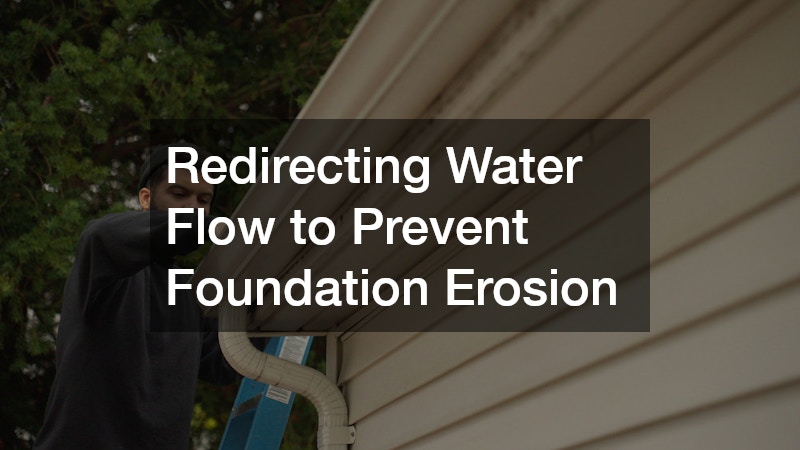
Water is the single greatest threat to the structural integrity of a building. When rain falls on a property, the primary objective of the exterior envelope is to capture that water and channel it safely away from the foundation. When this system breaks down, the soil surrounding your home becomes oversaturated. This waterlogged soil exerts immense hydrostatic pressure against your basement or crawlspace walls, forcing them inward and creating devastating structural cracks.
The first line of defense is the edge of your roof line. Over time, debris like falling leaves, twigs, and asphalt shingle granules accumulate, creating heavy blockages. When water cannot flow freely, it spills over the sides, dropping directly next to your foundation walls rather than being directed toward downspouts. Inspecting this area twice a year, particularly after the autumn leaves fall, prevents this cascading damage. Look for sagging lengths, pulling hardware, or rust stains along the fascia board. If the systems are rusted through, severely bent, or pulling away entirely from the rafter tails, investing in gutter replacements is an essential structural preservation step.
Once the water is successfully captured at the roof edge, the material on the roof itself must be completely impervious. Shingles shield the wooden decking and rafters underneath from rot and structural failure. If water bypasses this layer, the wood framing softens, causing the roof line to sag and eventually fail under heavy snow or wind loads. Homeowners should look for curling shingle edges, bald patches missing their protective granules, or damaged flashing around chimneys and valleys. When the underlying decking has sustained extensive rot, minor patching will no longer suffice, and a comprehensive roof installation becomes necessary to restore the structural shield of the home.
To keep this water management system working efficiently, follow these routine maintenance practices:
- Extend all downspout terminations at least three to five feet away from your home’s foundation using rigid or flexible extensions.
- Ensure the ground within the first ten feet of your home slopes downward at a minimum of six inches to keep surface water moving away from the structure.
- Check the structural integrity of your fascia boards during heavy rains to ensure water isn’t seeping behind the drainage channels.
Stabilizing Driveways and Walkways to Protect Your Foundation
The ground surrounding your home is constantly in motion. Soil expands when it absorbs water and contracts as it dries out. This natural cycle can cause concrete slabs, driveways, and pathways to shift over time. If a walkway tilts toward your home rather than away from it, it acts as a funnel, directing thousands of gallons of stormwater right against your basement walls, accelerating structural erosion.
When walkways or driveways crack and sink, it is usually a sign that the underlying base soil has washed away or compacted unevenly. Large trees planted too close to walkways can also push concrete upward, creating severe trip hazards and altering surface drainage patterns. Homeowners must address these shifts quickly. Minor cracks can be sealed with flexible polyurethane caulk to prevent water from reaching the sub-base, but deeply sunken slabs require professional leveling or replacement. Partnering with professional paving contractors ensures that the ground grading is mathematically corrected, protecting both your foot traffic and your foundation from water damage.
Beyond walkways, the boundaries of your property play a critical role in stabilizing the soil. Sloped yards are highly susceptible to erosion, where topsoil gradually washes away, exposing the roots of mature trees and shifting the earth underneath your home. Retaining walls and boundary barriers help hold this soil in place. If a perimeter barrier begins to lean, it indicates that the earth behind it is shifting or that water pressure is building up without proper drainage. When reinforcing these boundaries, hiring a reputable fencing company can help you install deeply set, concrete-reinforced posts that span below the frost line, ensuring your boundary structures remain upright and continue to hold the earth securely against erosion.
Keep these ground stabilization principles in mind during your seasonal property walk-throughs:
- Seal any cracks in your concrete pathways that are wider than a quarter of an inch to stop water from eroding the underlying dirt.
- Drill weep holes near the base of solid retaining structures to allow trapped groundwater to escape, reducing pressure on the wall.
- Avoid planting large, aggressive-root trees within ten feet of your main walkways or structural slabs.
Mitigating High-Pressure Pipe Failures Inside Crawlspaces and Walls
While exterior elements present visible threats, some of the most insidious structural damage occurs deep within the interior framework of a house. The infrastructure responsible for bringing fresh water in and carrying waste out runs silently through your walls, floors, and crawlspaces. When these systems fail, the resulting water damage can go unnoticed for months, quietly rotting wood joists, ruining drywall, and compromising structural safety.
Supply lines operate under high pressure, meaning even a pinhole leak can spray a continuous mist of water onto nearby wooden beams. Over time, this constant moisture breeds wood-destroying fungi, leading to dry rot, which rots the structural capacity of framing lumber. Homeowners should regularly inspect exposed pipes in basements or crawlspaces for signs of greenish corrosion, moisture droplets, or mineral buildup at joints. If you notice a sudden dropped pressure reading or an unexplained spike on your utility bill, it is time to contact a professional plumbing service to trace the line and repair the hidden vulnerability before the wood framing suffers permanent damage.
On the other side of the system, waste lines rely on gravity to move water out of the house. Because these lines carry solid waste and organic matter, they are highly prone to developing thick blockages over time. When a main drain line clogs, waste water has nowhere to go and backs up into the lowest points of the home, often flooding basements or crawlspaces. This dirty water saturates floorboards and subfloors, causing them to warp, buckle, and lose their load-bearing capacity. To prevent this, homeowners should avoid using chemical cleaners that corrode older metal pipes and instead schedule regular drain cleaning using mechanical snakes or hydro-jetting to keep the lines completely clear.
Monitor these interior infrastructure warning signs to catch hidden leaks early:
- Watch your water meter during a two-hour window when no water is being used; if the dial moves, you have a hidden leak.
- Look for soft spots, discoloration, or a springy feeling in your flooring near bathrooms, kitchens, and laundry areas.
- Address recurring slow drains immediately rather than waiting for a complete, destructive backup to occur.
Balancing Indoor Humidity to Protect Framing and Drywall
The air inside your home affects its structural components just as much as liquid water does. Wood is a hygroscopic material, meaning it behaves like a sponge, absorbing and releasing moisture from the air around it. When indoor humidity levels fluctuate wildly or remain consistently high, your home’s wooden skeleton expands and contracts, leading to warped studs, popped drywall nails, and cracked plaster walls.
During the warmer months, a properly functioning cooling system is vital for regulating this internal climate. If a cooling unit is oversized or poorly maintained, it will short-cycle, meaning it turns on and off rapidly without running long enough to lower the indoor humidity. This leaves the air warm and damp, creating a perfect environment for mold to grow within wall cavities, which degrades structural materials over time. Cleaning condenser coils, maintaining proper refrigerant levels, and hiring an experienced air conditioning contractor ensures your system runs long enough to dehumidify the air, keeping your interior framing dry and stable.
When winter arrives, the focus shifts to uniform heat distribution and proper ventilation. Cold air cannot hold as much moisture as warm air. If your heating system leaves certain rooms freezing while others are hot, moisture will condense on the cold walls, dripping behind baseboards and soaking into the structural framing. Furthermore, if a furnace has a cracked heat exchanger, it can present severe safety risks while failing to heat the home evenly. Staying on top of routine heating repairs prevents these localized temperature imbalances and stops moisture from gathering in cold, unventilated corners of your property.
To ensure your climate control system protects your home’s physical framework, it is best to manage the entire thermal envelope as a unified machine. Rather than looking at heating and cooling as isolated components, homeowners should consult a qualified HVAC contractor to evaluate total airflow, duct design, and ventilation needs. Proper air balancing ensures that every room maintains a stable temperature and humidity level, which stops your drywall, ceiling joists, and subfloors from warping due to moisture differentials.
Implement these indoor climate strategies to keep your home’s environment stable:
- Keep your indoor relative humidity between thirty and fifty percent year-round to prevent wood movement and mold growth.
- Change your system’s air filters every ninety days to maintain strong, unrestricted airflow throughout the structural duct network.
- Ensure bathroom and kitchen exhaust fans vent directly to the outdoors, never into an attic or crawlspace where moisture can rot rafters.
Realigning Track Systems on Attached Structures to Prevent Framework Strain
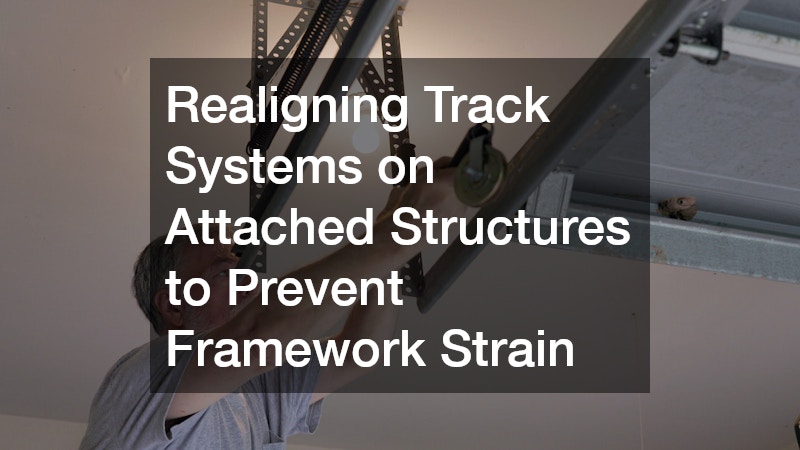
Heavy, moving architectural components present another distinct structural risk to residential properties. Large openings, such as those found on attached workshops or vehicle bays, require substantial structural headers to span the wide gap and support the weight of the roof above. When the moving components within these large openings fall out of alignment, they exert dangerous, uneven torque on the surrounding framing.
An overhead door is typically the largest and heaviest moving object in any residential home. This door relies on a precise system of high-tension springs, heavy steel tracks, and rollers to distribute its massive weight evenly during operation. If a track becomes bent, a cable frays, or the springs lose their tension, the door will sit crookedly in its opening. Operating an unbalanced door forces the automatic opener to pull harder on one side, transferring immense twisting forces into the wooden header beam above the opening. Over time, this repetitive stress can cause the structural header to sag, cracking the exterior stucco or siding and jamming the door permanently. Utilizing professional garage door services to balance the system and realign the tracks keeps the door running smoothly and protects the opening’s framing from structural deformation.
To keep large overhead entry points from damaging your home’s framework, practice these maintenance steps:
- Test the balance of your door by disconnecting the automatic opener and lifting the door manually; it should open smoothly and stay in place at the halfway point.
- Clean the interior steel tracks with a damp cloth to remove grease and dirt buildup that causes rollers to bind and shake the framing.
- Tighten any loose nuts or bolts on the track brackets where they secure the moving system to the wall studs.
The structural integrity of your home relies on a continuous chain of protection, where every link must hold. From the topmost shingles shedding heavy rain to the deep subterranean pipes managing waste flow, every component plays a role in keeping the structural core safe. While major repairs can feel overwhelming, understanding how these systems interact allows you to approach home maintenance with confidence and clarity.
By committing to a regular schedule of inspections and addressing minor issues immediately, you protect your property value and ensure a safe living environment. Remember that home maintenance is an ongoing practice of observation and timely intervention. Catching a small leak, cleaning a blocked drain, or realigning a shifting track today prevents the complex, expensive structural emergencies of tomorrow. Stay proactive, look closely at your home’s warning signs, and don’t hesitate to bring in specialized professionals when a task requires expert diagnostic tools or heavy-duty equipment.