Owning a home brings a sense of stability, independence, and long-term investment value, but it also comes with a wide range of responsibilities that extend far beyond routine upkeep. Over time, nearly every property will experience wear and tear across its systems, materials, and structural components. These issues may develop gradually due to aging infrastructure, or they may arise unexpectedly from weather events, usage patterns, or environmental conditions. Understanding the types of repairs that commonly occur allows homeowners to stay proactive, plan for maintenance, and avoid more costly damage in the future.
Modern homes are complex systems made up of interconnected parts, each playing a role in maintaining comfort, safety, and functionality. From heating and cooling systems to water supply lines, roofing materials, and foundational structures, each component requires periodic attention. When one system begins to fail, it can often impact others, creating a chain reaction of issues that require timely intervention.
Ultimately, maintaining a home is an ongoing process that involves inspection, prevention, and timely repair. By familiarizing themselves with common problem areas, homeowners can make informed decisions, extend the lifespan of their property, and protect their investment for years to come. The following sections explore some of the most common types of repairs that arise when owning a home and how each contributes to overall property maintenance.
Maintaining Indoor Cooling Systems
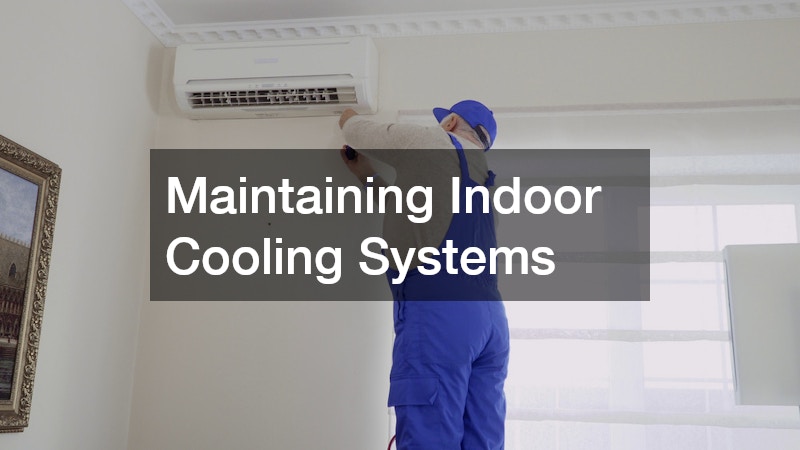
Indoor comfort is heavily dependent on a reliable cooling system, especially during warmer months when temperatures rise and humidity levels increase. Over time, components within an air conditioning system can wear down due to constant use, dust accumulation, and general aging. Filters may become clogged, refrigerant levels can fluctuate, and mechanical parts such as compressors or fans may begin to lose efficiency. Regular air conditioning service helps ensure that the system continues to operate effectively while preventing minor issues from turning into major breakdowns.
Routine maintenance typically includes cleaning coils, inspecting electrical connections, checking refrigerant levels, and replacing air filters. These tasks improve airflow, enhance energy efficiency, and maintain consistent cooling throughout the home. When neglected, cooling systems may struggle to maintain desired temperatures, leading to higher energy bills and reduced comfort. In some cases, unusual noises, weak airflow, or uneven cooling can signal the need for professional attention.
Seasonal servicing is especially important before peak usage periods. By scheduling inspections ahead of time, homeowners can identify potential issues early and avoid emergency repairs during extreme weather conditions. Preventative maintenance also extends the lifespan of the unit, reducing the likelihood of premature replacement and preserving long-term value.
Addressing Private Water Supply Issues
Homes that rely on private water sources often depend on a well system to deliver clean and consistent water throughout the property. These systems include pumps, pressure tanks, and control mechanisms that work together to draw water from underground sources. Over time, components within the system can experience wear, leading to fluctuations in water pressure, reduced flow, or complete system failure. Regular inspections and preventative maintenance can help identify small issues before they disrupt the entire water supply. Professional well pump service helps diagnose and resolve these issues efficiently.
Common signs of well system problems include inconsistent water pressure, air sputtering from faucets, or a sudden lack of water supply. These symptoms may indicate issues with the pump motor, pressure switch, or electrical connections. In some cases, sediment buildup or mineral deposits can also affect system performance. Regular inspections and maintenance help ensure that the system continues to function reliably.
Because private water systems operate independently from municipal supplies, any malfunction can significantly impact daily activities such as cooking, cleaning, and bathing. Timely repairs and routine servicing help maintain water quality and system efficiency. Homeowners who monitor their water system’s performance and respond quickly to changes are better equipped to avoid prolonged disruptions.
Handling Moisture Intrusion and Structural Drying
Water intrusion is one of the most damaging issues a home can experience, as it can quickly affect structural components, interior finishes, and indoor air quality. When moisture enters a property through leaks, flooding, or condensation, it can spread into walls, flooring, and insulation, creating conditions that may lead to mold growth and material deterioration. Timely identification and response are critical to limiting the extent of the damage and preventing long-term complications.
Water damage repair typically begins with identifying the source of the moisture, whether it stems from a plumbing leak, roof issue, foundation crack, or poor drainage. Once the source is addressed, affected areas must be thoroughly dried using equipment such as dehumidifiers and air movers. This process helps remove both visible and hidden moisture that can continue to cause damage if left untreated.
Common signs of water damage include discoloration on walls or ceilings, warped flooring, peeling paint, musty odors, and visible mold growth. These indicators often suggest that water has been present for an extended period and has already impacted building materials. A proper assessment helps determine the full extent of the damage and ensures that all affected areas are properly treated.
Preventing future issues is equally important. This may involve improving drainage around the home, sealing vulnerable entry points, and maintaining exterior systems such as gutters and downspouts. Addressing both the source of the water intrusion and the resulting damage helps protect the home’s structure and maintain a safe indoor environment over time.
Restoring and Securing Damaged Window Glass
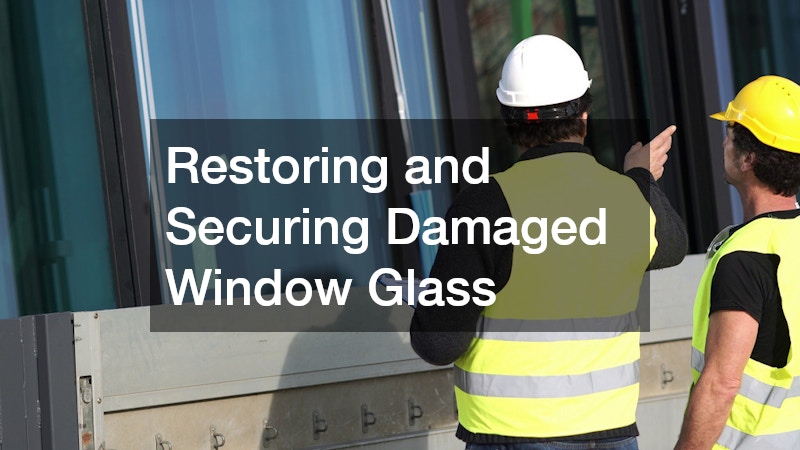
Windows play a vital role in maintaining energy efficiency, security, and natural lighting within a home. When window glass becomes cracked or broken, it can compromise insulation, increase energy costs, and pose safety risks. Replacing damaged panes is essential to restore both functionality and protection. The process to replace broken windows involves removing the damaged glass, preparing the frame, and installing a new pane that fits securely within the existing structure.
Damage to window glass can occur due to impact, weather conditions, or aging materials. Temperature fluctuations may cause stress fractures, while storms or debris can lead to sudden breakage. In addition to visible damage, compromised seals around windows can allow air leaks, reducing heating and cooling efficiency. Addressing these issues promptly helps maintain indoor comfort and prevents further complications.
Properly installed windows contribute to insulation, noise reduction, and overall home security. Regular inspections can help identify early signs of wear, such as fogging between panes or difficulty opening and closing windows. By maintaining window systems and replacing damaged components when necessary, homeowners can preserve both the appearance and performance of their property.
Evaluating and Updating Aging Roofing Systems
The roof is one of the most critical components of any home, providing protection from weather, temperature changes, and environmental exposure. Over time, roofing materials can degrade due to sun exposure, moisture, wind, and general aging. When this occurs, a roof replacement may be necessary to maintain structural integrity and prevent leaks or further damage.
Common indicators of roofing issues include missing shingles, sagging areas, water stains on ceilings, or visible wear on roofing materials. Regular inspections help identify these problems early, allowing homeowners to plan for repairs or full replacement before significant damage occurs. In many cases, addressing minor issues promptly can extend the lifespan of the roof.
A complete roof replacement involves removing old materials, inspecting the underlying structure, and installing new roofing components designed to withstand environmental conditions. This process not only improves protection but also enhances energy efficiency and property value. Choosing durable materials and ensuring proper installation are key factors in long-term performance.
Managing Wastewater Treatment and Drainage Systems
Homes with private wastewater systems rely on septic systems to process and manage household waste. These systems include tanks, drain fields, and distribution components that work together to treat and disperse wastewater safely. Regular septic services are essential to ensure that the system continues to operate efficiently and avoids backups or environmental contamination.
Over time, solid waste accumulates in the tank and must be removed through periodic pumping. Neglecting maintenance can lead to blockages, unpleasant odors, or system failure. Signs of septic issues may include slow drains, pooling water near the drain field, or gurgling sounds in plumbing fixtures. Addressing these issues early helps prevent costly repairs and potential health hazards.
Proper usage also plays a role in system longevity. Avoiding the disposal of non-biodegradable materials and managing water usage can reduce strain on the system. Routine inspections and scheduled maintenance help ensure that all components function correctly and that wastewater is processed safely.
Fixing Mechanical Components on Entry Access Systems
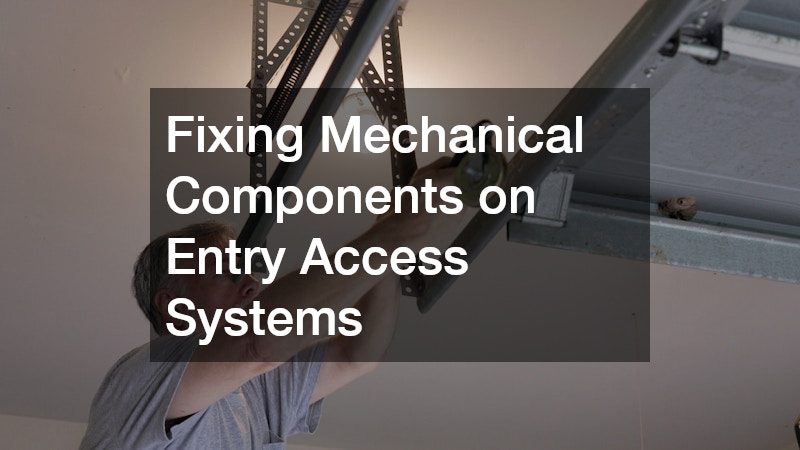
Garage doors are among the most frequently used entry points in a home, and their mechanical components experience significant wear over time. Springs, cables, rollers, and openers all work together to ensure smooth operation. When a spring fails, it can prevent the door from opening or closing properly, making garage door spring repair necessary to restore functionality.
Springs are under constant tension and can weaken or break after repeated use. Signs of failure include difficulty lifting the door, uneven movement, or a loud snapping noise. Because these components are under high tension, repairs should be handled carefully to ensure safety and proper installation. Regular maintenance can help identify wear before a complete failure occurs.
Keeping garage door systems in good condition improves security, convenience, and daily usability. Routine inspections and timely repairs help maintain reliable operation and prevent unexpected breakdowns that could disrupt access to the home.
Repairing Structural Integrity Issues in the Home
The foundation is a critical structural element that supports the entire home. Over time, shifting soil, moisture changes, and natural settling can lead to cracks or movement within the foundation. When these issues arise, foundation repairs may be required to stabilize the structure and prevent further damage.
Common signs of foundation problems include cracks in walls, uneven floors, sticking doors, and gaps around windows or frames. These symptoms often indicate underlying structural movement that should be evaluated by a professional. Early intervention can help prevent more extensive damage and preserve the overall stability of the home.
Repair methods vary depending on the severity of the issue and may include reinforcement, sealing cracks, or installing support systems. Addressing foundation concerns promptly ensures that the home remains safe, level, and structurally sound over time.
Troubleshooting and Fixing Household Equipment
Household appliances play an essential role in daily living, supporting tasks such as cooking, cleaning, and food storage. Over time, appliances can experience mechanical or electrical issues that affect performance. Professional appliance repair services help diagnose problems and restore functionality to items such as refrigerators, ovens, dishwashers, and washing machines.
Common issues include faulty motors, worn-out seals, electrical malfunctions, or sensor failures. Signs that an appliance needs attention may include unusual noises, inconsistent operation, or failure to turn on. Addressing these problems early can extend the lifespan of the appliance and prevent the need for replacement.
Regular maintenance, such as cleaning components and following manufacturer guidelines, helps keep appliances operating efficiently. When repairs are necessary, timely service ensures minimal disruption to household routines and maintains overall convenience.
Resolving Pipe Leaks and Water Flow Problems
Plumbing systems are essential for delivering clean water and removing wastewater throughout the home. Over time, pipes can develop leaks, corrosion, or blockages that disrupt water flow and lead to damage. Working with a plumbing company allows homeowners to identify and resolve these issues effectively.
Leaks may occur due to aging pipes, loose connections, or increased water pressure. Signs of plumbing problems include reduced water pressure, visible moisture, unexplained increases in water bills, or damp areas around fixtures. Addressing leaks promptly helps prevent structural damage, mold growth, and water waste.
Professional plumbing services include leak detection, pipe repair, drain cleaning, and system inspections. Maintaining a well-functioning plumbing system ensures reliable water delivery and supports the overall health of the home.
Owning a home involves continuous attention to a wide range of systems and components that contribute to its functionality, safety, and comfort. From cooling systems and water supply mechanisms to structural elements and household appliances, each part of a home requires periodic maintenance and occasional repair. Understanding the common types of issues that can arise helps homeowners take a proactive approach to property care rather than reacting only when problems become severe.
Ultimately, maintaining a home is an ongoing commitment that evolves over time. As systems age and environmental conditions change, repair needs will continue to arise. By staying informed, planning ahead, and responding promptly to issues, homeowners can protect their property, improve efficiency, and create a safe and comfortable living environment for years to come.