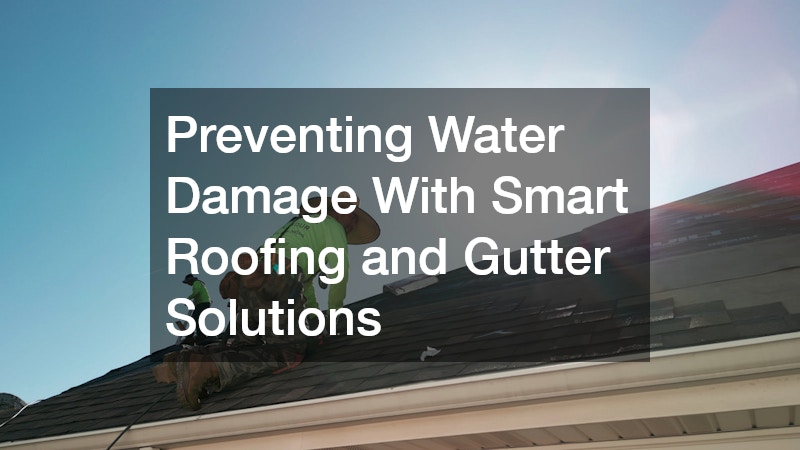
Water damage is one of the most common and costly issues homeowners face, often developing slowly before becoming a major structural problem. What starts as a minor leak or clogged gutter can escalate into mold growth, wood rot, and even foundation damage if left unaddressed. The key to avoiding these issues lies in proactive planning and consistent maintenance.
Your home’s roof and gutter system work together as the first line of defense against water intrusion. When both are functioning properly, they direct water away from vulnerable areas and preserve the integrity of your home. This guide outlines practical, actionable strategies to help homeowners prevent water damage through smart roofing and gutter solutions.
Identify Early Warning Signs of Water Intrusion
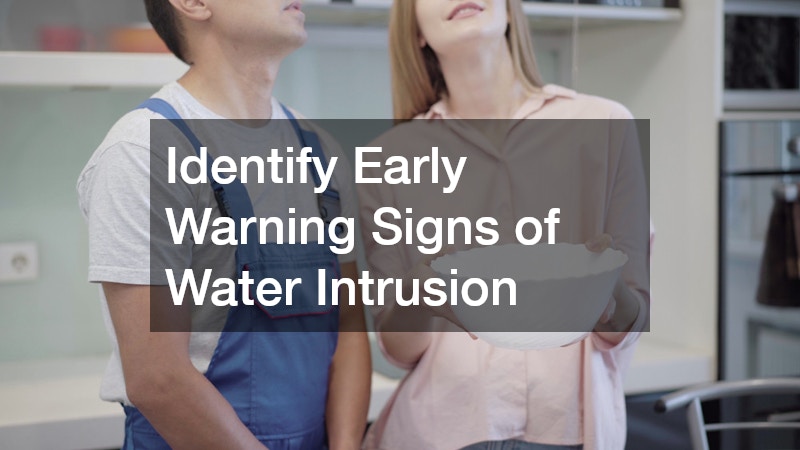
Recognizing the early signs of water intrusion can save homeowners thousands of dollars in repairs. The sooner you identify a problem, the easier and less expensive it is to fix.
Inside the home, watch for:
- Water stains on ceilings or walls
- Bubbling or peeling paint
- Musty odors indicating mold or mildew
- Warped drywall or flooring
Outside the home, look for:
- Missing, cracked, or curling shingles
- Damaged flashing around vents and chimneys
- Overflowing or sagging gutters
- Debris buildup on the roof
If you notice any of these issues, it’s wise to contact a roofer for a professional assessment. Minor issues can often be repaired quickly, but delaying action can lead to more serious structural damage.
In urgent situations—such as active leaks during a storm— emergency roof repair may be necessary to prevent further water intrusion. Temporary fixes like tarping can protect your home until permanent repairs are completed. It’s crucial to assess the damage quickly and take action to minimize any additional risks to your property. After the immediate threat has been addressed, it’s advisable to contact a professional roofer to evaluate the extent of the damage and schedule the necessary repairs. Remember, addressing roofing issues promptly can save you from more extensive and costly damage down the line.
Schedule Regular Roof Inspections to Prevent Costly Damage
Routine inspections are one of the most effective ways to prevent water damage. Even if your roof appears to be in good condition, hidden issues can develop over time.
Experts recommend scheduling inspections:
- Twice a year (spring and fall)
- After major storms
- Before buying or selling a home
Professional roofing contractors know exactly what to look for, including subtle signs of wear that homeowners might miss. They can identify potential problems such as deteriorating shingles, damaged flashing, or ventilation issues before they escalate.
Local roofing services often provide maintenance programs that include regular inspections and minor repairs. These programs can be a cost-effective way to stay ahead of potential issues and extend the lifespan of your roof.
Choose the Right Materials for Long-Term Water Protection
The materials you choose for your roof play a significant role in how well your home resists water damage. While cost is an important factor, durability and performance should also be considered.
Common roofing materials include:
- Asphalt shingles: Affordable and widely used
- Metal roofing: Durable and resistant to extreme weather
- Clay or concrete tiles: Long-lasting but heavier
- Wood shakes: Attractive but require more maintenance
A reputable roofing company can help you evaluate the pros and cons of each option based on your climate, budget, and home design. For example, areas with heavy rainfall may benefit from materials that shed water more efficiently.
Working with an experienced roofer ensures that your chosen materials are not only suitable but also installed correctly, maximizing their effectiveness.
Ensure Proper Roof Installation Techniques Are Followed
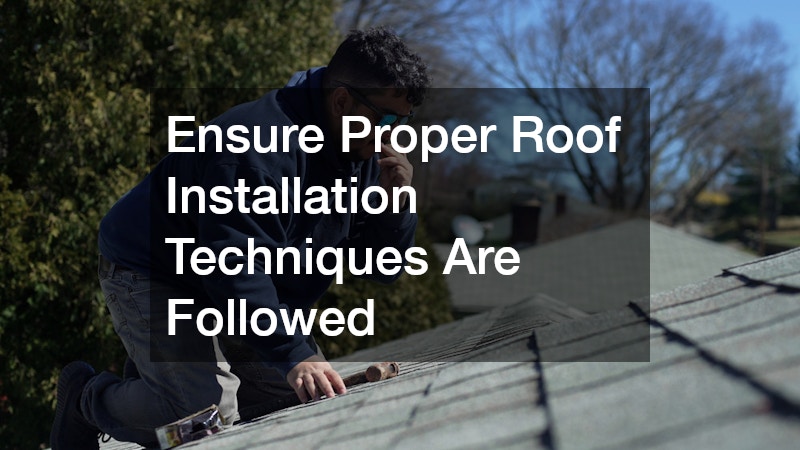
Even the highest-quality materials can fail if they are not installed properly. Proper installation is essential for preventing leaks and ensuring long-term performance.
Key components of a well-installed roof include:
- Underlayment that provides an additional moisture barrier
- Flashing around vulnerable areas such as chimneys and vents
- Proper ventilation to prevent moisture buildup
- Secure fastening of shingles or panels
Experienced roofing contractors follow industry best practices to ensure every layer of the roof system works together effectively. Before hiring, ask your roofing company about their installation process and quality control measures.
Poor installation can lead to:
- Premature leaks
- Reduced the lifespan of materials
- Voided warranties
Investing in proper installation upfront helps avoid costly repairs down the road.
Upgrade Your Gutter System to Improve Water Flow
Gutters are essential for directing water away from your home’s foundation. If they are damaged or improperly installed, water can pool around your home and cause serious issues.
Signs you may need an upgrade include:
- Frequent clogs or overflow
- Sagging or detached sections
- Rust or visible cracks
- Water is pooling near the foundation
Professional gutter installation ensures that your system is properly sized and pitched for optimal drainage. A local gutter company can assess your home’s layout and recommend the best solution.
When upgrading, consider:
- Seamless gutters to reduce leaks
- Larger downspouts for improved flow
- Durable materials such as aluminum or steel
A well-designed gutter system plays a crucial role in preventing water damage.
Install Protective Add-Ons to Reduce Maintenance Needs
Gutter maintenance can be time-consuming, but protective add-ons can significantly reduce the effort required.
Gutter guards are designed to keep leaves and debris out while allowing water to flow freely. This helps prevent clogs, overflow, and the associated risks of water damage.
Types of gutter guards include:
- Mesh screens
- Reverse curve systems
- Foam inserts
- Brush-style guards
Each type has its advantages and limitations, so it’s important to choose one that suits your needs. A local gutter company can help you select and install the most effective option.
Benefits of installing gutter guards:
- Reduced cleaning frequency
- Improved water flow
- Lower risk of damage during heavy rainfall
These systems are a worthwhile investment for homeowners looking to minimize maintenance.
Improve Drainage Around Your Home’s Foundation
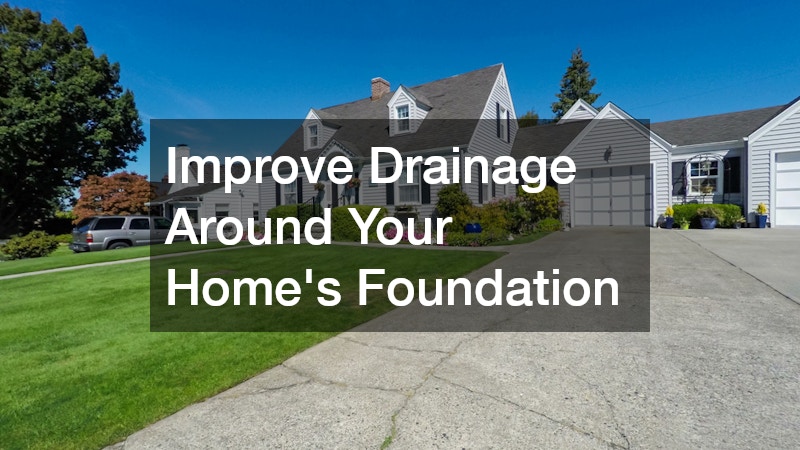
Water that isn’t properly directed away from your home can accumulate around the foundation, leading to cracks, leaks, and structural damage.
To improve drainage:
- Ensure the ground slopes away from your home
- Extend downspouts at least 5–10 feet from the foundation
- Install French drains or drainage systems if needed
A foundation contractor can evaluate your property and recommend solutions to prevent water from compromising your home’s structure.
If water is already entering your basement, a basement waterproofing company can provide specialized services such as sealing cracks, installing sump pumps, and applying waterproof coatings.
Addressing drainage issues early helps protect your home from long-term damage.
Coordinate Roofing and Waterproofing Efforts for Maximum Protection
Water management doesn’t stop at the roof—it’s a system that extends all the way to the foundation. Coordinating efforts between different professionals ensures comprehensive protection.
A roofing company focuses on preventing water from entering the home, while a basement waterproofing company addresses moisture that reaches lower levels. When these efforts are aligned, the risk of water damage is significantly reduced.
Consider creating a unified plan that includes:
- Roof inspections and maintenance
- Gutter system upgrades
- Foundation drainage improvements
This holistic approach helps eliminate weak points where water could infiltrate.
Keep Gutters and Downspouts Clean and Functional
Even the best gutter system requires regular maintenance to function properly. Neglecting this task can lead to clogs, overflow, and water damage.
Maintenance tips include:
- Cleaning gutters at least twice a year
- Removing leaves, twigs, and debris
- Checking for leaks or loose sections
- Ensuring downspouts are clear and properly positioned
Gutter guards can reduce the amount of debris that accumulates, making maintenance easier. However, they are not completely maintenance-free and should still be inspected periodically.
If you prefer professional assistance, local roofing services often provide gutter cleaning and maintenance as part of their offerings.
Prepare for Severe Weather and Storm Damage
Severe weather can put significant stress on your roof and gutter system. Preparing in advance can help minimize damage and reduce repair costs.
Before a storm:
- Secure loose shingles or flashing
- Clean gutters to ensure proper drainage
- Trim overhanging tree branches
After a storm:
- Inspect your roof for visible damage
- Check for leaks inside your home
- Document any issues for insurance purposes
If damage is severe, contact roofing contractors immediately. In urgent cases, emergency roof repair may be required to prevent further water intrusion.
Taking prompt action helps protect your home and prevents small issues from becoming major problems.
Invest in Preventive Maintenance Plans
Preventative maintenance is one of the most cost-effective ways to protect your home from water damage. Regular upkeep helps identify and address issues before they escalate, allowing you to fix small problems early instead of dealing with major repairs later. It also provides peace of mind, knowing your home is consistently being monitored for potential vulnerabilities.
Maintenance plans may include:
- Scheduled roof inspections: Routine inspections help detect early signs of wear, such as loose or damaged shingles, deteriorating flashing, or minor leaks. Catching these issues early allows for quick repairs that prevent water from penetrating deeper into the structure.
- Minor repairs and adjustments: Addressing small problems—like resealing flashing, replacing a few shingles, or tightening fasteners—can significantly extend the life of your roof. These simple fixes are far more affordable than large-scale repairs caused by neglect.
- Gutter cleaning and maintenance: Keeping gutters free of debris ensures proper water flow and prevents overflow that can damage siding, landscaping, and the foundation. Regular checks also help identify sagging sections, leaks, or loose connections that need attention.
- Drainage system evaluations: Assessing how water moves around your property is essential for preventing pooling and erosion. This includes checking downspout extensions, grading, and any installed drainage systems to ensure water is directed safely away from the home.
Local roofing services often offer maintenance packages tailored to homeowners’ needs, making it easier to stay on schedule without having to manage everything yourself. These services can provide consistent oversight and professional insight that might otherwise be overlooked. Partnering with a foundation contractor can also ensure that your home’s structural components remain protected, especially in areas prone to water accumulation or shifting soil.
These proactive measures can extend the lifespan of your roof and reduce long-term repair costs by minimizing the risk of severe damage. Over time, the savings from avoided repairs and increased durability can far outweigh the cost of regular maintenance.
Avoid Common Mistakes That Lead to Water Damage
Even with the best intentions, homeowners can make mistakes that increase the risk of water damage. Being aware of these pitfalls can help you avoid costly consequences and ensure your home remains properly protected over time.
Common mistakes include:
- Improper gutter installation that leads to poor drainage: When gutters are not installed with the correct slope or are undersized for the roof area, water can overflow or pool near the foundation. This not only reduces the effectiveness of the system but can also cause erosion, basement leaks, and structural issues. Ensuring proper alignment, secure fastening, and adequate downspout placement is essential for directing water safely away from your home.
- Ignoring minor roof issues until they worsen: Small problems such as a loose shingle, minor flashing damage, or a tiny leak can quickly escalate if left unaddressed. Over time, water can seep into underlying materials, leading to rot, mold growth, and interior damage. Regular inspections and prompt repairs help prevent these issues from becoming major expenses.
- Hiring inexperienced professionals: Choosing contractors without verifying their experience or credentials can result in poor workmanship and substandard materials. Mistakes during installation or repair can compromise the entire roofing and drainage system, leading to premature failure and additional costs. Taking the time to research and vet professionals helps ensure quality results.
- Failing to maintain gutters and downspouts: Even a well-designed system will fail if it is not properly maintained. Leaves, dirt, and debris can quickly clog gutters, causing water to overflow and collect in areas where it shouldn’t. Regular cleaning and inspections are necessary to keep water flowing efficiently and to identify any damage early.
A reputable roofing company can guide you through the process and ensure that all components are installed and maintained correctly. They can also provide recommendations tailored to your home’s specific needs, helping you avoid common mistakes. Taking a proactive approach helps prevent small issues from turning into major repairs, ultimately saving time, money, and stress.
Conclusion
Preventing water damage requires a combination of smart planning, quality materials, and ongoing maintenance. By taking a proactive approach and addressing potential issues early, homeowners can protect their investment and avoid costly repairs. With the right strategies in place, your roof and gutter system can provide reliable protection for years to come.