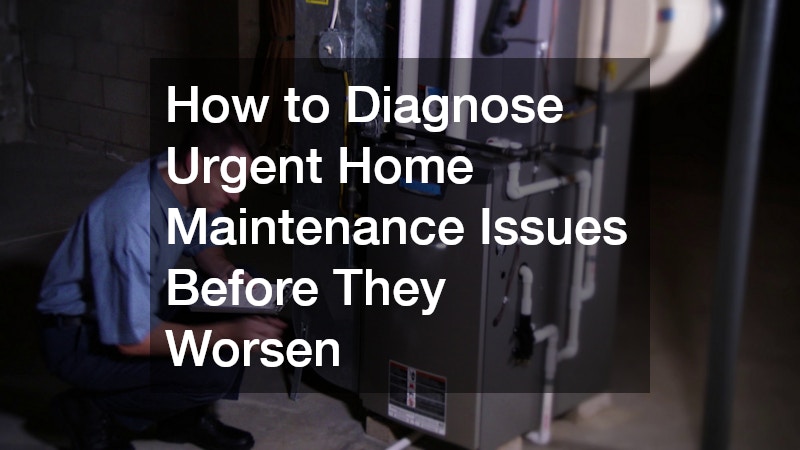
Every house speaks a subtle language. Long before a pipe bursts, a furnace dies in the dead of January, or a cracked branch crashes through a bedroom ceiling, your home gives subtle warnings. A faint hum behind a wall, a hairline fracture in exterior plaster, or a slight drop in water pressure are rarely random anomalies. They are early warnings that something mechanical or structural is deteriorating.
Most homeowners fall into a reactive trap. Life gets busy, so we ignore the slight thermal shift in the living room or the microscopic trickle near the foundation until a major catastrophe forces our hand. By that time, a minor repair has mutated into an expensive emergency, complete with frantic phone calls, long wait times, and premium after-hours labor charges.
Shifting your mindset from reactive panic to systematic observation saves thousands of dollars over the life of a home. Catching problems early requires no specialized engineering degree—just an active eye, a keen ear, and an understanding of how your home’s interconnected systems operate. By developing a routine diagnostic walk-through of your property every season, you can spot minor vulnerabilities and resolve them before they disrupt your life.
Furthermore, keeping a simple digital or physical record of these observations allows you to track patterns over time. Recognizing that a tiny baseline shift—like a water heater taking five minutes longer to recover or a furnace clicking three times before ignition—has developed over three months gives you the foresight to intervene on your own schedule. Proactive homeowners don’t just save money; they preserve their peace of mind and protect their property value.
Assessing Outer Perimeter Risks and Exterior Envelope Integrity
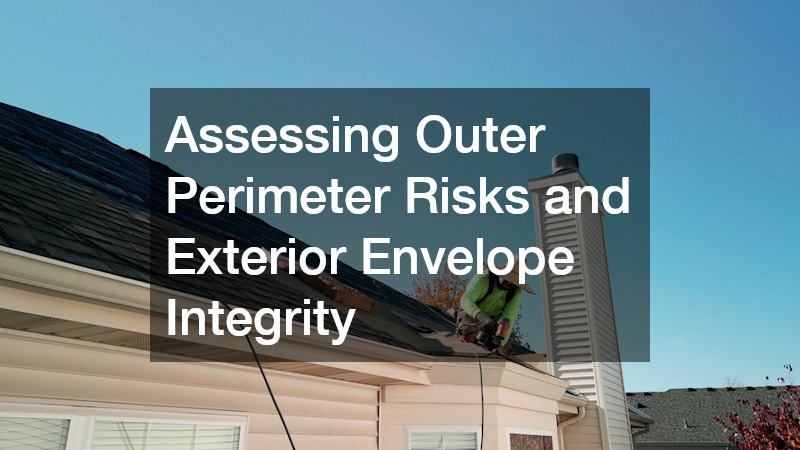
Start your home diagnostic on the outside. Walk the edge of your yard and look back toward the house, taking time to examine the high canopy, the foundation line, and the exterior walls.
A tree that appears solid at a casual glance can pose a hidden structural threat. Look closely at the upper branches for canopy dieback, where outer twigs lose leaves out of season. Examine the trunk for vertical splits or shelf-like fungal growth near the base, which signals interior heartwood rot. Pay attention to the soil around the root plate after heavy rains. If the ground bulges or lifts on one side of the tree, the root anchor system has likely failed, turning a minor gust into a major hazard that requires immediate action from emergency tree removal services before high winds bring the entire trunk down onto your roof or power lines. Catching structural decay early allows you to schedule preventative maintenance with certified tree services, trimming hazardous limbs safely before an emergency occurs.
Once you have assessed the trees, direct your attention to the exterior walls. Walk slowly around the foundation, checking for structural cracks, loose masonry, and soft spots in your exterior finishes. Bulging walls or flaking surfaces often mean moisture has penetrated deep behind the barrier, freezing during winter and forcing the outer layer away from the wall framing. Catching these signs early lets you complete localized stucco repairs, sealing out water before rot compromises your wall studs or interior drywall.
Evaluating Heating Systems and Fireplace Flue Hazards
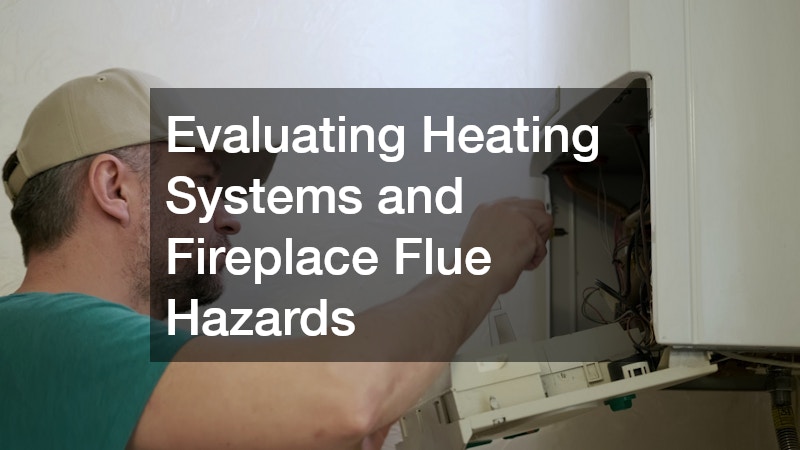
Inside your basement or utility closet, mechanical systems quietly run your home. Diagnosing these units requires paying attention to sound, odor, and flame color.
Observing Burner Behavior and Ignition Cycles
Your central heating unit offers clear signals when performance degrades. Remove the access panel on your fuel-burning system to inspect the burner flame while the unit operates. A clean, efficient burn produces a sharp, steady blue flame. If you see an erratic yellow or orange flame, fuel is burning inefficiently, which often points to dirty burners, a misaligned nozzle, or a cracked heat exchanger. Listen closely as the system starts up. Screeching belts, metal-on-metal scraping, or delayed ignition bangs mean components are under extreme friction or mechanical stress. If your unit cycles on and off every few minutes without reaching your target temperature, do not wait for the system to quit entirely on a freezing night; schedule a local furnace repair expert to diagnose flame sensors, control boards, or airflow restrictions immediately.
Inspecting Chimney Structures and Internal Flue Liners
Masonry fireplaces and chimneys endure heavy thermal expansion and environmental exposure. Step outside with binoculars to check the exterior chimney stack for spalling brick—where moisture freezes and pops the brick faces off—and missing mortar joints near the crown. Indoors, open the fireplace damper and shine a bright flashlight up into the flue. Watch for:
- Heavy, tar-like creosote buildup thicker than an eighth of an inch, which presents an immediate fire risk.
- Cracks in the clay flue tile or missing mortar between interior flues.
- White, powdery mineral deposits on the interior brickwork, indicating long-term water seepage through the chimney exterior.
- Rust flakes gathering on the damper plate, showing that water is entering through a damaged chimney cap.
Addressing these minor signs of deterioration with professional chimney repairs prevents hazardous carbon monoxide from leaking into living spaces or structural flue fires from catching inside your walls.
Monitoring Electrical Infrastructure and Household Equipment
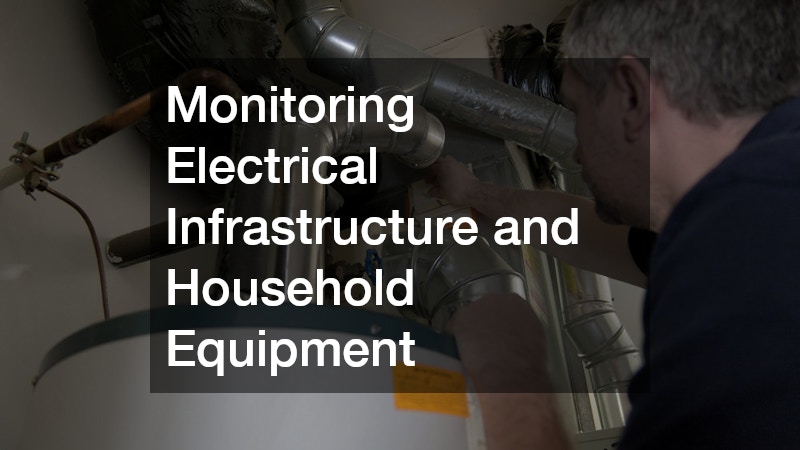
Electrical issues are among the most urgent hazards in any residence because they carry a high risk of arc faults and fires. Diagnosing electrical issues requires systematically checking outlets, light fixtures, and major household machines.
Start by observing how your home behaves under a normal electrical load. If lights flicker or dim when the refrigerator compressor kicks on, your electrical panel may be overloaded or experiencing loose neutral wiring. Walk through each room and touch switch plates and outlet covers. Outlets should never feel warm, nor should they emit a faint, fishy, or plastic-burning odor. If you hear a light buzzing or humming from a wall breaker panel or light switch, you are listening to electrical arcing—current jumping across an open gap. This requires immediate evaluation by a licensed electrical company to replace failing breakers, tighten loose lugs, or upgrade undersized service lines before a fire starts.
Next, inspect your high-use appliances for subtle mechanical warnings. Slide out your washing machine, dishwasher, and refrigerator to inspect their supply hoses and drain lines. Look for small bulges in rubber water hoses, slow drips around pump housings, or unusual vibration patterns during spin or run cycles. If a refrigerator compressor hums constantly without cooling properly, or if a dishwasher leaves standing water in the bottom basin, early intervention from a local appliance repair specialist can fix worn belts, seals, or pumps before a major leak ruins your floors or burns out the appliance motor.
Additionally, pay close attention to your clothes dryer vent line. A buildup of lint restricting airflow creates extreme heat, straining internal heating elements and posing a severe home fire risk. Clearing this pathway regularly protects both your appliance and your safety.
Auditing Water Delivery Networks and Overhead Barrier Access
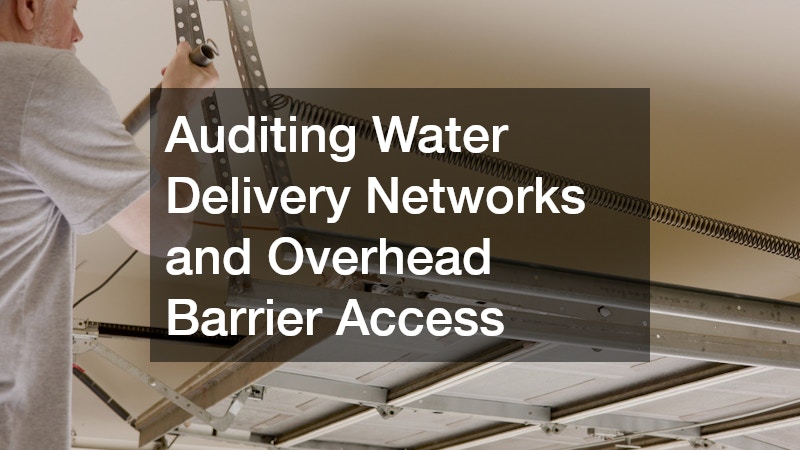
Water under pressure can cause severe damage in a matter of hours. Understanding how water flows into your home—and how your garage door secures the largest opening in your exterior envelope—is critical for preventing costly property damage.
Step 1: Diagnosing Pressure Drops and Well Water Inconsistencies
Begin your plumbing check by turning on multiple indoor faucets simultaneously. Watch for sputtering aerators, cloudy water, or a sudden, drastic drop in water pressure. If your water comes from an underground source, head to your pressure tank to monitor the pressure gauge while water runs. The gauge should drop smoothly to the cut-in pressure, trigger the pump, and rise steadily to the cut-off point. If the pump turns on and off every few seconds—a condition known as rapid cycling—your pressure tank has likely lost its internal air bladder charge. Running a system in this condition will quickly burn out the motor, leaving you without water. Arranging a timely well pump repair resolves pressure tank or control switch issues before you suffer a total loss of water service.
It is equally important to periodically test your main shutoff valve to ensure it turns smoothly without sticking. Knowing exactly where this valve is located and verifying that it functions properly can mean the difference between a minor puddle and thousands of dollars in water remediation.
Step 2: Testing Mechanical Access Points and Garage Door Cables
Your garage door is a heavy mechanical system that protects your vehicles and vulnerable entry points from weather and security threats. Operate the door manually by pulling the emergency release cord while the door is down, then lift it halfway up by hand. If the door snaps shut or shoots upward, the torsion springs are improperly balanced, placing immense strain on the opener motor. Visually inspect the steel lifting cables on both sides of the door frame for fraying, rust, or loose strands. Check the track rollers for flat spots or wobbling bearings. Prompt attention through garage door repairs ensures the door operates safely, preventing snapping cables that can damage property or trap your vehicle inside during an emergency.
Evaluating Central Climate Systems and Internal Airflow Mechanics
Your central climate control network regulates indoor temperature, manages humidity, and protects indoor air quality. When this system begins to fail, subtle performance changes occur long before air stops blowing from your vents.
Identifying Airflow Restrictions, Line Icing, and Condensate Backups
Start your climate diagnostic at the indoor air handler during an active cooling or heating cycle. Place your hand over the supply vents in different rooms to feel for weak air movement, which often points to leaking ductwork, a clogged air filter, or a failing blower motor. Next, inspect the insulated copper refrigerant line running from the outdoor compressor unit to the indoor coil. If you see ice building up along the line, or if the unit struggles to lower indoor humidity, your system is likely suffering from restricted airflow or a refrigerant leak.
Listen to the outdoor compressor unit while it operates. A smooth, rhythmic hum is normal, but loud clanking, rattling, or hard-starting noises indicate internal valve or capacitor failure. Don’t forget to check the primary condensate drain pan underneath the indoor air handler. Standing water in the pan means the drain line is clogged with algae or debris. If the line backs up completely, water will overflow, causing severe ceiling and floor damage. Partnering with a reliable HVAC company allows you to clear drain lines, seal leaking ducts, and recharge refrigerant levels before a complete system breakdown occurs.
Establishing a Systematic Home Monitoring Log
To keep track of minor home issues before they escalate, create a centralized home maintenance log. Dedicate a simple notebook or digital spreadsheet to record monthly visual checks, filter changes, and odd system behaviors.
It helps to think of this log as your home’s medical history chart. Beyond noting obvious repairs, use it to capture seasonal nuances: how quickly your basement sump pump cycles after a torrential downpour, or whether an upstairs bedroom stays three degrees warmer than the rest of the house during July heatwaves. When contractor technicians step into your home, handing them a detailed history narrows down elusive mechanical problems far faster than vague guesswork. Over years of homeownership, this simple habit turns scattered observations into a clear roadmap for smart, preventative upgrades.
Protecting Your Investment Through Proactive Care
Your home is a complex system of structural, mechanical, and electrical components working together to keep you safe and comfortable. While major equipment failures and severe weather events are an inevitable part of homeownership, catastrophic property damage rarely happens without warning.
By taking time to inspect your property each season, you shift from reacting to emergencies to actively managing your home’s health. Looking for canopy dieback, monitoring flame colors, listening for arcing electricity, and checking water pressure take only a few minutes, but these simple habits can save thousands of dollars in emergency repairs.
Pay attention to what your home is telling you. Address minor red flags while they are still simple, manageable fixes, and build relationships with trusted local professionals long before you need an emergency callout. Consistent, proactive care is the best way to keep your home safe, efficient, and standing strong for years to come.